Published on 29.05.2026
Helmholtz Imaging Newsletter Issue No. 27

Dear Imaging Enthusiast,
The Helmholtz Imaging Project Call 2026 is open, supporting collaborative, cross-disciplinary research at the intersection of imaging and information & data science. Interested researchers from Helmholtz are invited to join the information session on June 2 and connect with potential collaborators via our matchmaking channel.
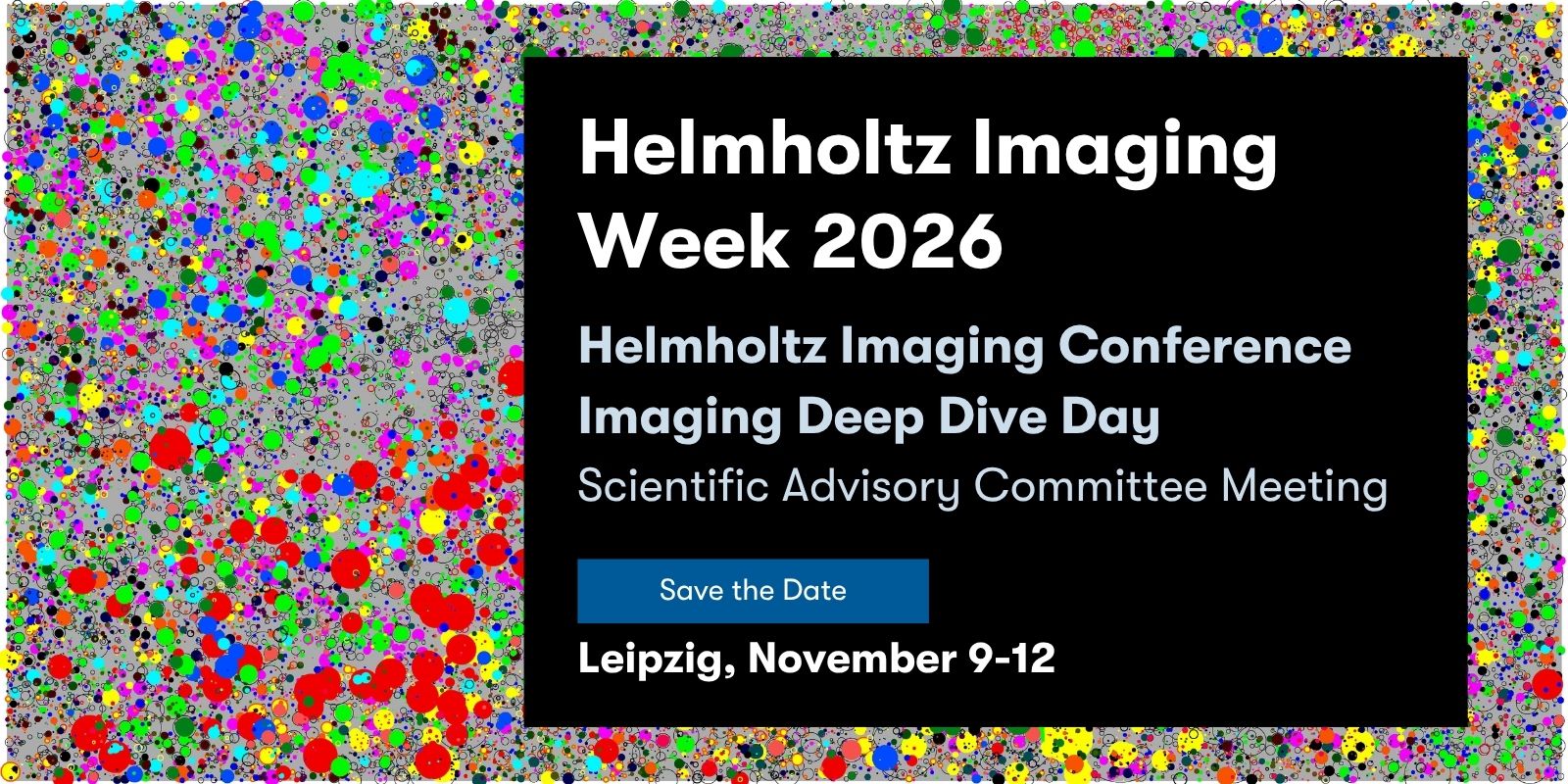
We are also excited to announce the Helmholtz Imaging Week 2026, taking place in Leipzig from November 9–12. This year’s edition of the Helmholtz Imaging Conference will feature new networking formats, including the Daily Brew and the Networking Carousel. The official program will kick off on November 10 with the Imaging Deep Dive Day. Check out the full program – registration will open soon. Stay tuned!
Beyond these highlights, this issue features updates from our community, including new tools and resources, new team members, as well as training and job opportunities.
Here’s what’s inside this issue:
- Helmholtz Imaging Week 2026: Save the dates for Leipzig and join our Imaging Deep Dive Day (IDDD) and Helmholtz Imaging Conference.
- Helmholtz Imaging Project Call 2026: Join our info session on June 2 to learn more about the application process & ask any questions you may have.
- Scientific Exchange Forum: Highlights from our meeting in Mannheim
- Team Update: Welcome to Alexander Denker at our Research Unit at DESY
- Training Opportunities: Upcoming workshops on AI validation for image analysis, regularization in image reconstruction, and 3D visualization
- Survey: Help shape the future of Data Science training across Helmholtz by taking part in our new community survey.
- CONNECT Highlight: Explainable AI for estimating soil properties from satellite data
- New Tools: Metrics Playground and Claims Reloaded for robust AI evaluation
- Community Resource Spotlight: CellSium for synthetic bacterial colony image generation
- Research & Impact: Helmholtz Imaging contributions to Excellence Clusters and the MEDAL project
- Community News: Ron Kikinis receives KIT International Excellence Award 2026
- Meet Us: Say hello to us in Denver, Munich, Nagoya, Seoul, and Leipzig.
- Partner Platform Updates: News from HIDA, HIFIS and HMC
- Funding, Events & Opportunities: Explore current calls, external events, recent publications, and job postings, including one with our new Helmholtz Imaging project Vi(MA)²C project.
As always, we welcome your contributions. Share your imaging-related news and events with us at support@helmholtz-imaging.de. Let’s keep building our vibrant imaging community together.
Happy reading!
Your Helmholtz Imaging team
***
A personal note from us:
Do you have an imaging challenge, no matter how big or small? Professional imaging support for Helmholtz researchers, offered by Helmholtz Imaging at no cost. Contact us via our support hub.
Also, if you haven’t yet, join our network of experts, modalities, instruments, and facilities! CONNECT with us.
Interested in receiving our newsletter directly in your mailbox? Subscribe here.
Visit our Helmholtz Model Zoo, the new platform for Helmholtz employees for AI-powered research: easy access, user-friendly, strong data protection, and a growing set of validated models from different domains. Join the community!
***
Helmholtz Imaging Week 2026: Registration Opening Soon
Join us in Leipzig from November 9–12, 2026 for the Helmholtz Imaging Week 2026: four days of scientific exchange, collaboration, and networking opportunities with the imaging community.
At the heart of the week is the Helmholtz Imaging Conference (November 10–12) with keynote talks, scientific presentations, poster sessions, and interactive formats connecting researchers and imaging experts from across disciplines.
New in 2026: the Imaging Deep Dive Day (IDDD) on November 10, a half-day program of hands-on, community-driven workshops exploring emerging topics in imaging and AI in smaller, interactive groups.
We are also excited to introduce the Daily Brew and Networking Carousel, offering even more opportunities for informal exchange and new collaborations.
Our popular unconference session BYOIC – Bring Your Own Imaging Challenge will also return, inviting participants to share real-world imaging challenges and discuss solutions together with the community.
Registration will open soon.
Helmholtz Imaging Project Call 2026 – Info Session on June 2
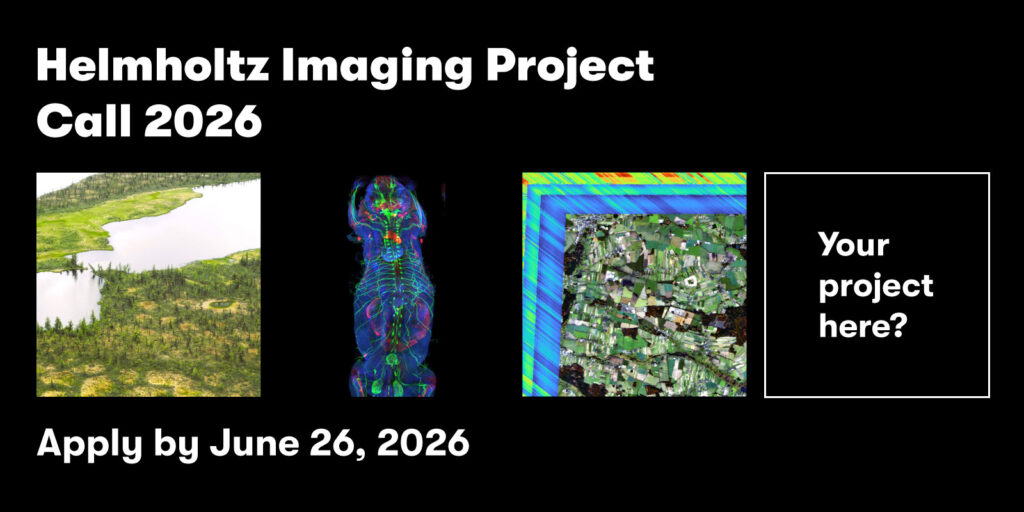
Are you a researcher from the Helmholtz Association and planning to submit a proposal for a collaborative, cross-disciplinary, and high-risk research project at the intersection of imaging and information & data science? Then get in touch with the Helmholtz Imaging Support Hub already at the application stage!
Register here to join the information sessionWhether you are looking to refine your approach, explore new ideas, or complement your expertise, we are here to support you. Join our information session on Tuesday, June 2 at 10 AM to learn more about this call, the application process, and ask any question you may have.
If you are looking for project partners or would like to exchange project ideas, join our dedicated “Helmholtz Imaging Project Call Matchmaking” channel on Mattermost.
About the call
The Helmholtz Imaging Project call supports collaborative, cross-disciplinary research projects that advance imaging science and strengthen the connection between imaging and information & data science. Researchers from at least two Helmholtz Centers, with optional participation of external partners, are encouraged to join forces and develop innovative solutions along the imaging pipeline – from data acquisition to knowledge extraction.
Selected projects can receive up to €500,000 in funding volume for up to three years (max. €250,000 from the Helmholtz Initiative and Networking Fund, matched by project partners). Additional funding of up to €100,000 is available within the dedicated track for solutions that can be generalized across scientific domains. The application deadline: June 26, 2026.
Scientific Exchange Forum Brings Helmholtz Imaging Team Together
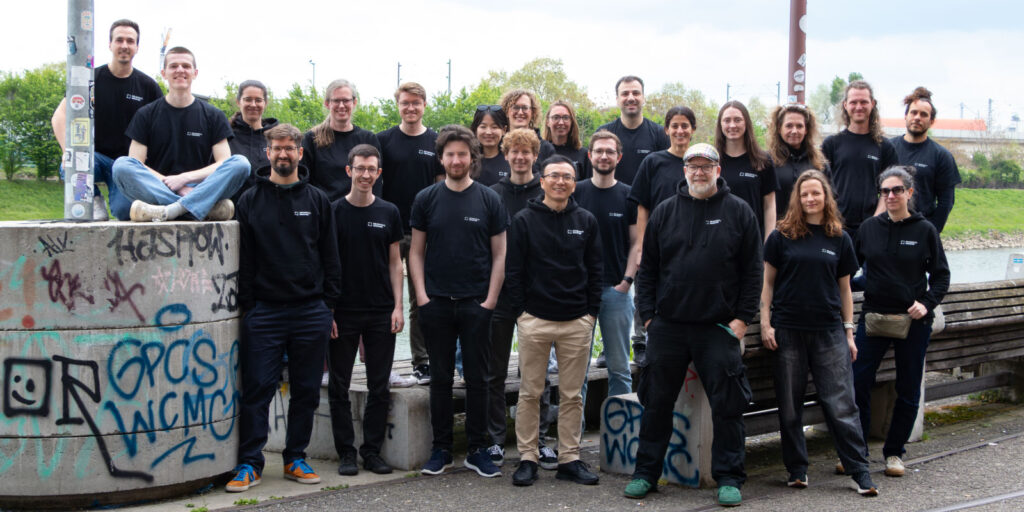
From April 21-23, the Helmholtz Imaging team gathered in Mannheim for the internal Scientific Exchange Forum – three days dedicated to exchange ideas, share recent progress, and shape what’s next.
The forum combined small-group discussions, buddy rounds, and informal exchange formats to connect colleagues across disciplines and explore topics ranging from noise handling in imaging and agentic AI approaches to career development and imaging support activities.
We also warmly welcomed Jian Peng from UFZ who will bring remote sensing and hydrology expertise to Helmholtz Imaging.
The meeting highlighted the importance of open exchange and collaboration, leaving the team inspired and motivated for the next steps ahead.
Team Update: Welcome
We are pleased to welcome Alexander Denker, who joined the Research Unit at DESY as a postdoctoral researcher. Previously, he worked at University College London, where he focused on generative modeling and its applications to inverse problems. At Helmholtz Imaging, he will work on bridging the gap between deep learning-based image reconstruction and the unique challenges of scientific image reconstruction, including high-dimensional 3D and dynamic reconstruction tasks, scarce labeled training data and the need to generalize across different experimental setups.
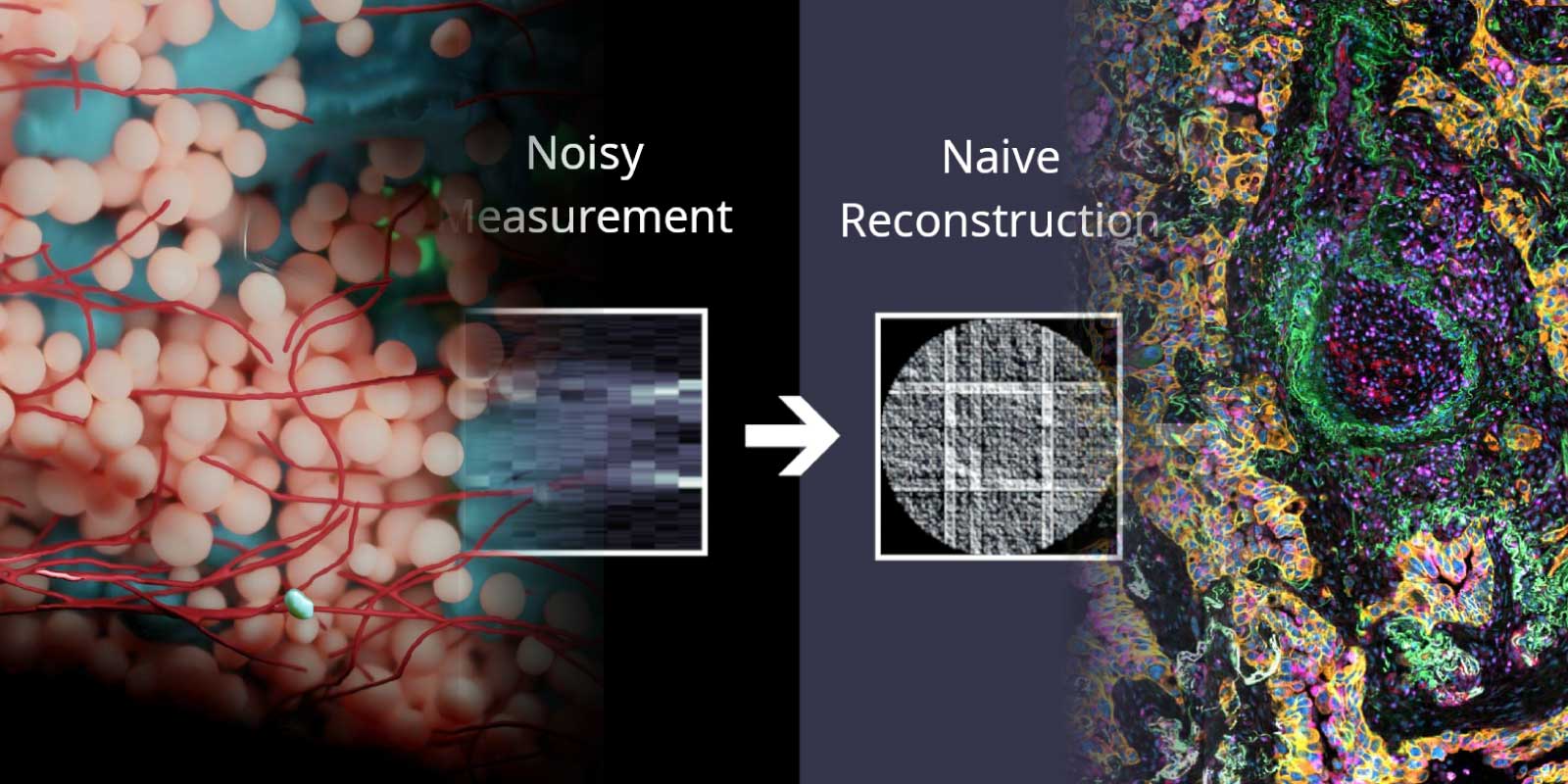
AI image processing is already well established in consumer applications (even in new smartphones), where hallucinations or artifacts are often tolerable, but its usefulness in scientific imaging depends on whether it can reliably work on real scanner data without introducing misleading artifacts.
Learn more about our Helmholtz Imaging Research Units
Explore our Training Opportunities
Discover our latest workshops and courses, ranging from 3D visualization to image analysis and reconstruction. Save the dates & don’t miss the registration deadlines!
Register now, before the deadline closes:
Validating AI for Image Analysis
- Dates: June 3, 9 + 25, 2026
- Topic: Introduction to the validation of AI methods in image analysis: Learn how to select and interpret appropriate performance metrics, quantify model performance uncertainty, and assess the robustness of rankings in algorithm benchmarking!
- Registration is open until May 31.
Save the dates for these courses (registration not open yet):
Regularization in Image Reconstruction: From Model to Data Driven Methods
- Date: September 16, 2026
- Topic: Build a strong foundation in image reconstruction and inverse problems. Learn about regularization strategies, deep learning for inverse problems, and Bayesian approaches to uncertainty quantification.
- Registration opens August 19.
- Dates: September 28 – October 1, 2026
- Topic: Bring your volumetric data to life in this workshop. Gain hands-on experience with 3D visualization techniques using tools like Fiji, Blender, and Neuroglancer.
- Registration opens July 20.
These courses are free of charge and open to individuals affiliated with Helmholtz or a HIDA Partner only. They are part of the data science course portfolio offered by the platforms of the Helmholtz Information and Data Science Framework.

Survey: Help Shape Helmholtz’ Data Science Training Portfolio
Which data science skills are most relevant for your research? We invite members of the Helmholtz Association to participate in a short survey on current training needs and future skill development priorities. Your feedback will help shape future data science training opportunities across Helmholtz. The anonymous survey takes approximately 8–10 minutes to complete.
Access the survey & share your feedback

NEW on CONNECT: Estimating Soil Properties from Satellite Data with Explainable AI
How can we accurately and transparently predict soil nutrients from space? With Hype-Spectral, a top-performing solution in the HYPERVIEW2 ESA Φ-lab Challenges, Aaron Banze from the German Aerospace Center (DLR)
and the Helmholtz Imaging Project “HYPER-AMPLIFAI,” shows how machine learning and hyperspectral imaging can accurately estimate key soil nutrients, non-invasively and at scale.
The approach integrates explainable AI (XAI), making model predictions more transparent and trustworthy.
Read the full blog post on CONNECT
Enter the Metrics Playground
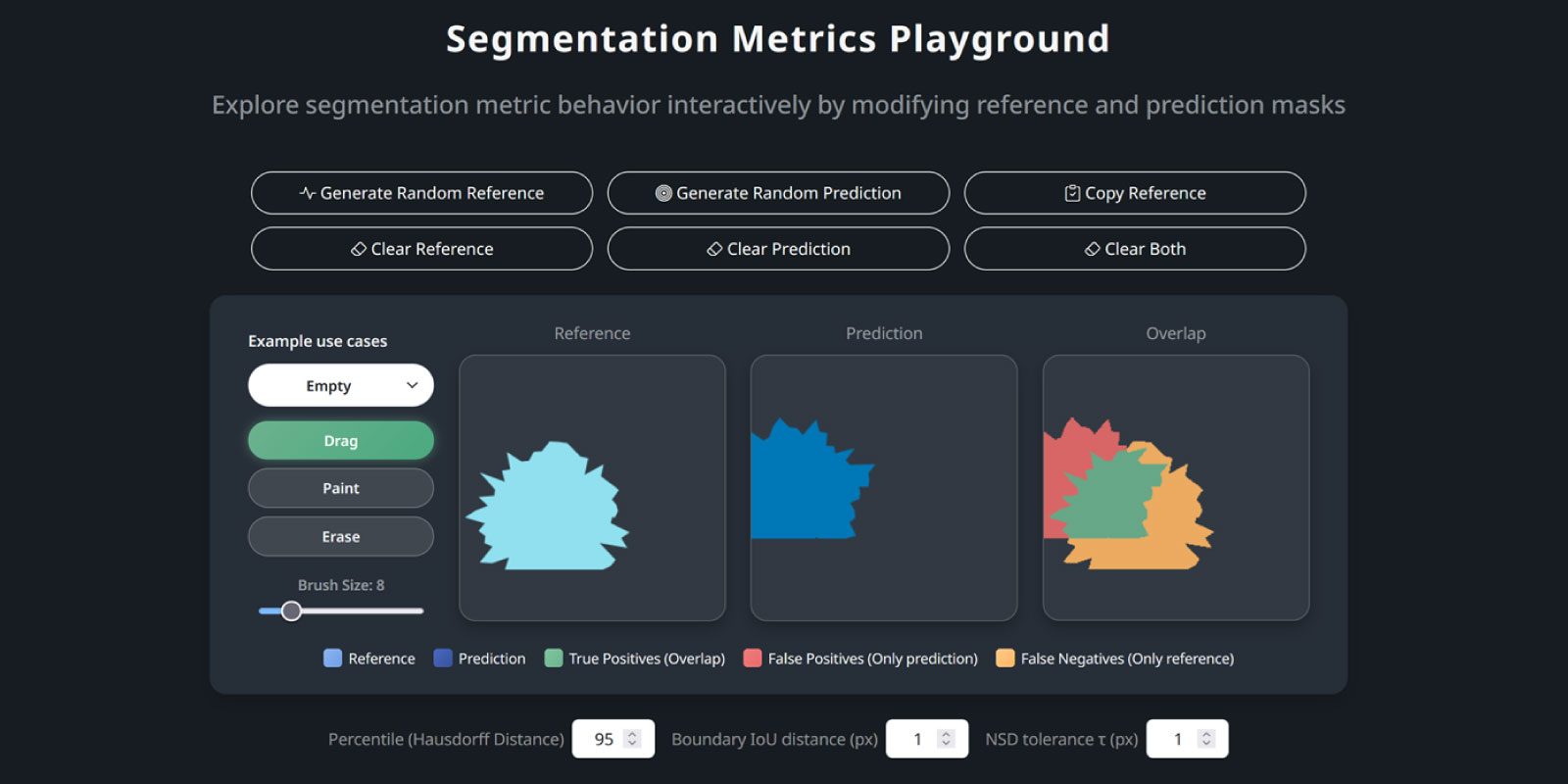
The Metrics Reloaded Toolkit got an extension with playgrounds for segmentation and classification metrics.
Interactively explore the metrics from the Metric Library: Adjust class distributions, thresholds, or mask overlaps to see how metrics quantify performance under varying conditions.
The extension for Metrics Reloaded was implemented by Carlos Aumente-Maestro (Helmholtz Imaging Engineering and Support Unit DKFZ).
New: Claims Reloaded – A Toolkit for Assessing the Validity of Outperformance Claims
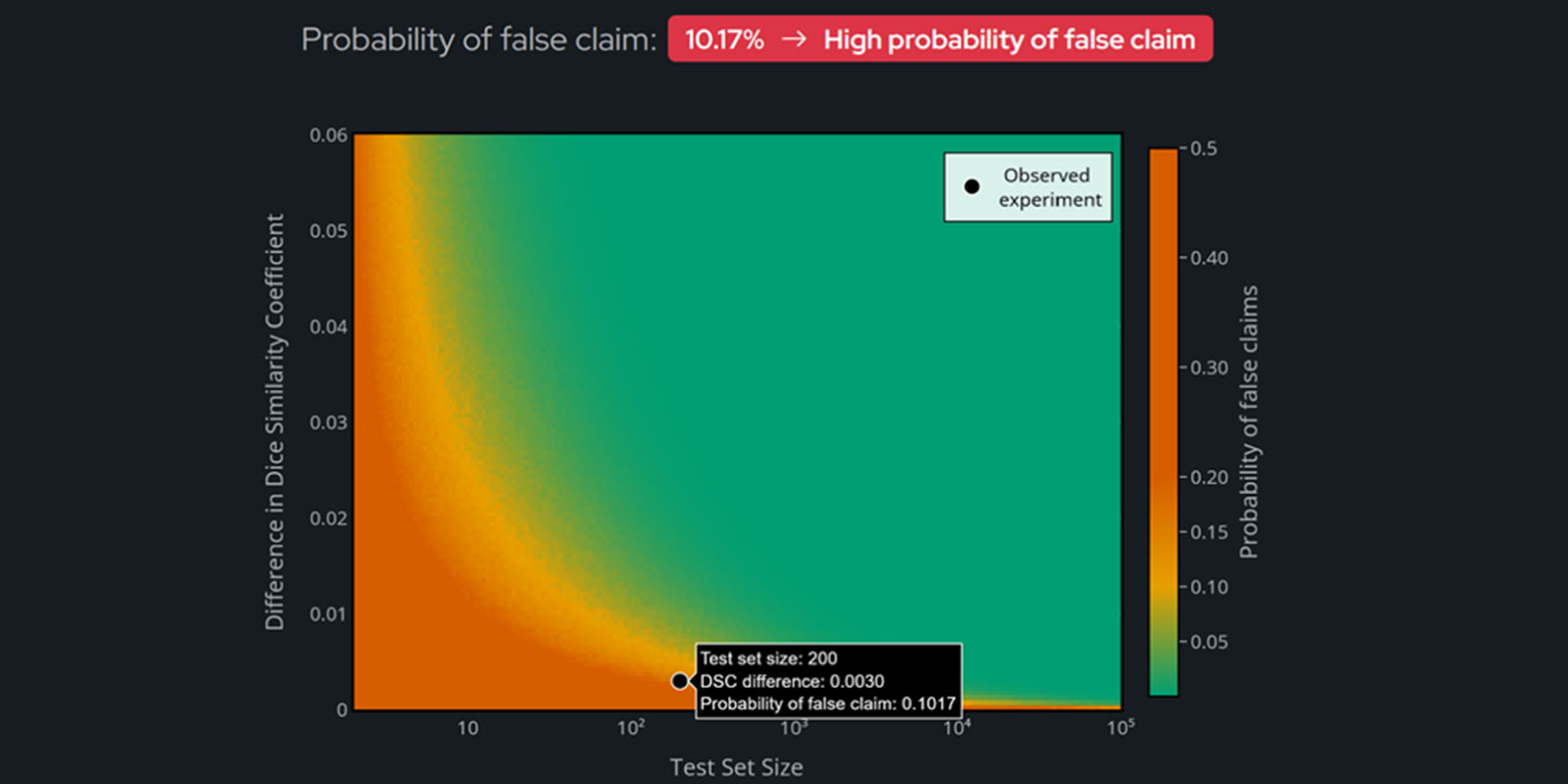
Performance comparisons drive progress in medical imaging AI, yet many studies claim superiority based on small test sets and marginal improvements. Claims Reloaded is a new online toolkit that helps researchers and reviewers assess whether such outperformance claims are statistically credible.
Based on a Bayesian framework, the tool estimates the probability that an observed performance difference could have occurred by chance, and presents the results through intuitive visualizations and automatically generated reports. By making statistical assessment easily accessible, Claims Reloaded supports more robust experimental design and more informed peer review.
The tool is freely available at: https://claims-reloaded.dkfz.de
Lead developer for Claims Reloaded is Carlos Aumente-Maestro (Helmholtz Imaging Engineering and Support Unit DKFZ).

Tools & Resources, from the Community, for the Community
Following your feedback from the last Helmholtz Imaging Conference, where you asked for more tools and resources, we introduced this new newsletter section dedicated to sharing open, practical solutions from the community. So, here we go:
Tool spotlight: CellSium, versatile cell simulator for microcolony ground truth generation
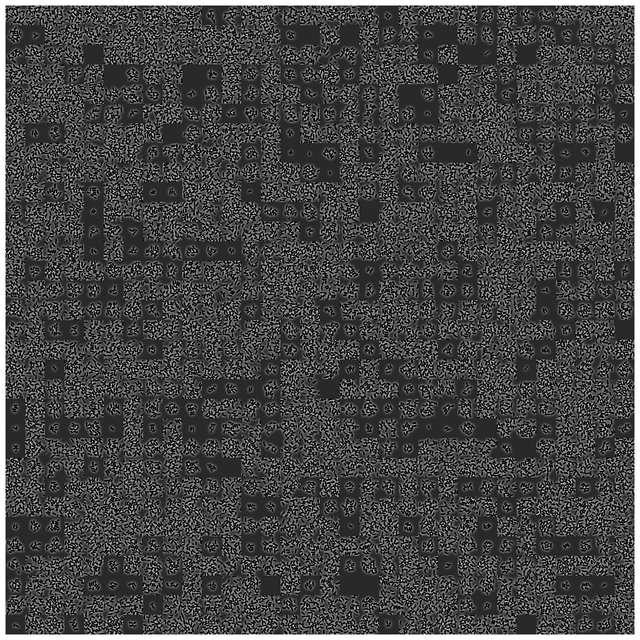
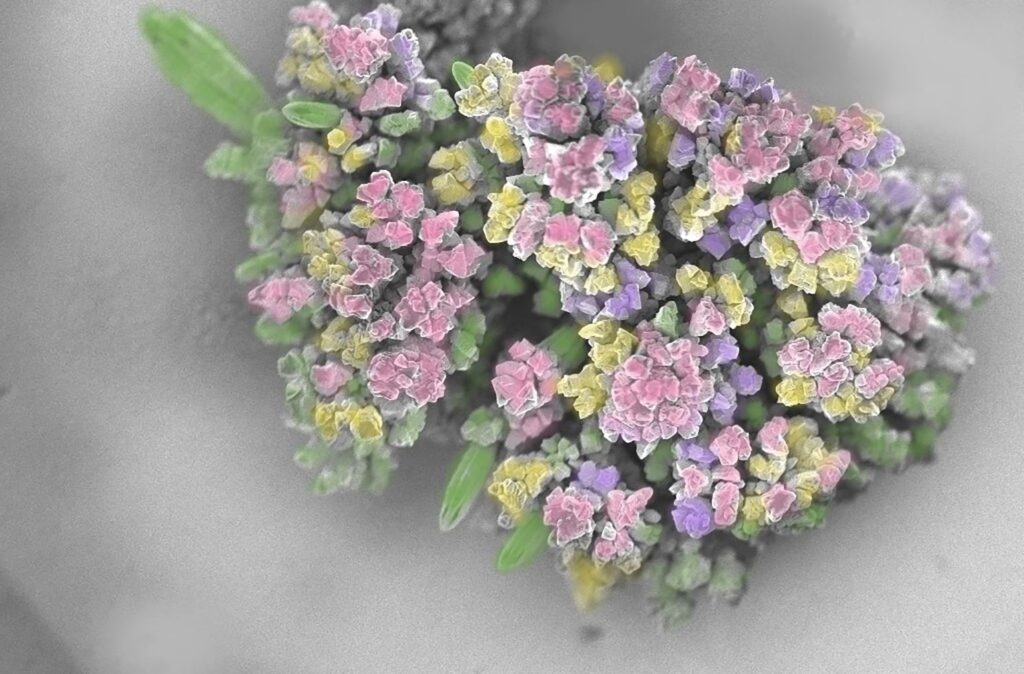
How can researchers train AI models for cell segmentation when annotated microscopy data is limited? CellSium is a flexibly configurable cell simulator developed for microfluidic live-cell imaging that synthesizes realistic image sequences of bacterial microcolonies growing in monolayers. The tool supports synthetic time-lapse videos with and without fluorescence, programmable cell growth models, and simulation-ready 3D colony geometries for computational fluid dynamics. Simulated images can be used to train neural networks for AI-driven image analysis.
The tool was developed by Christian Carsten Sachs, Karina Ruzaeva, Johannes Seiffarth, Wolfgang Wiechert, Benjamin Berkels, and Katharina Nöh as part of the Helmholtz Imaging project SATOMI.
Image: Christian Carsten Sachs
Have a tool, dataset, software package, or other resource you’d like to share? Submit your solution via CONNECT and help grow the collection of open and easy-to-use imaging resources. We look forward to featuring more community-driven tools in upcoming issues!

Helmholtz Imaging Contributes to Two Excellence Clusters in Hamburg
The two Excellence Clusters BlueMat – Water-Driven Materials and Understanding Written Artefacts (UWA) in Hamburg showcase how advanced imaging enables interdisciplinary research across the humanities, natural sciences, and engineering.
The collaborations highlight how advanced imaging enables interdisciplinary research across engineering, natural sciences, and the humanities, from studying sustainable water-driven materials to revealing hidden ancient texts non-destructively with mobile X-ray imaging.
Read our news article to learn more about BlueMat & UWA

From Data to Impact: Helmholtz Imaging Shapes the MEDAL Project
A major milestone for AI in medical imaging: Lena Maier-Hein, Center Coordinator at Helmholtz Imaging and researcher at the German Cancer Research Center (DKFZ), has been awarded €3 million in funding from the Carl-Zeiss-Stiftung for the MEDAL project.
Helmholtz Imaging will contribute its expertise in benchmarking image analysis AI models and their evaluation to help establish a global standard for evaluating AI systems.
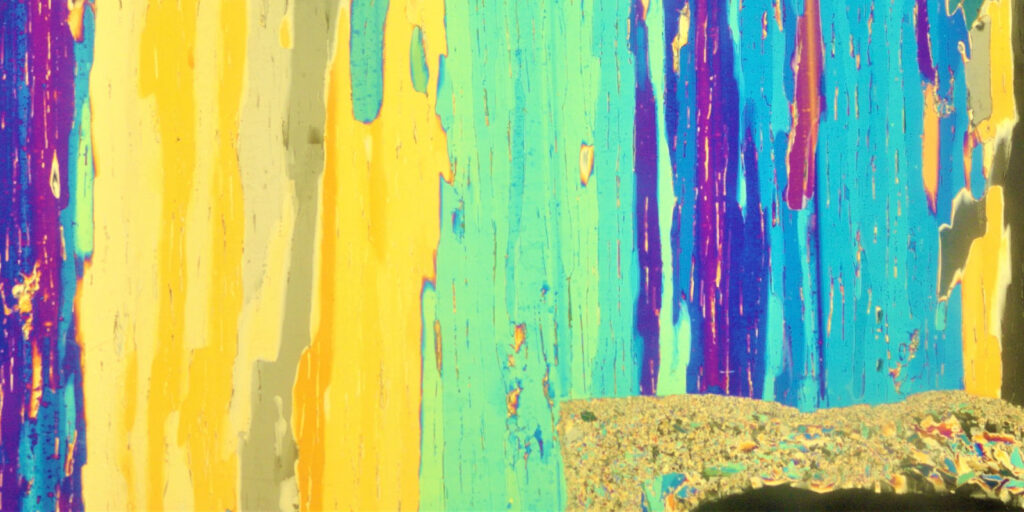
Ron Kikinis Honored with KIT International Excellence Award 2026
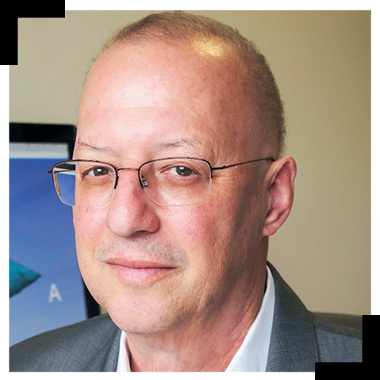
Congratulations to Ron Kikinis on receiving the 2026 International Excellence Award of KIT for his internationally renowned contributions to medical image processing, image-guided therapy, and biomedical informatics.
At Helmholtz Imaging, we are proud to work with Ron as a valued member of our Scientific Advisory Committee. His expertise and vision continue to inspire innovation at the intersection of imaging, AI, and medicine.
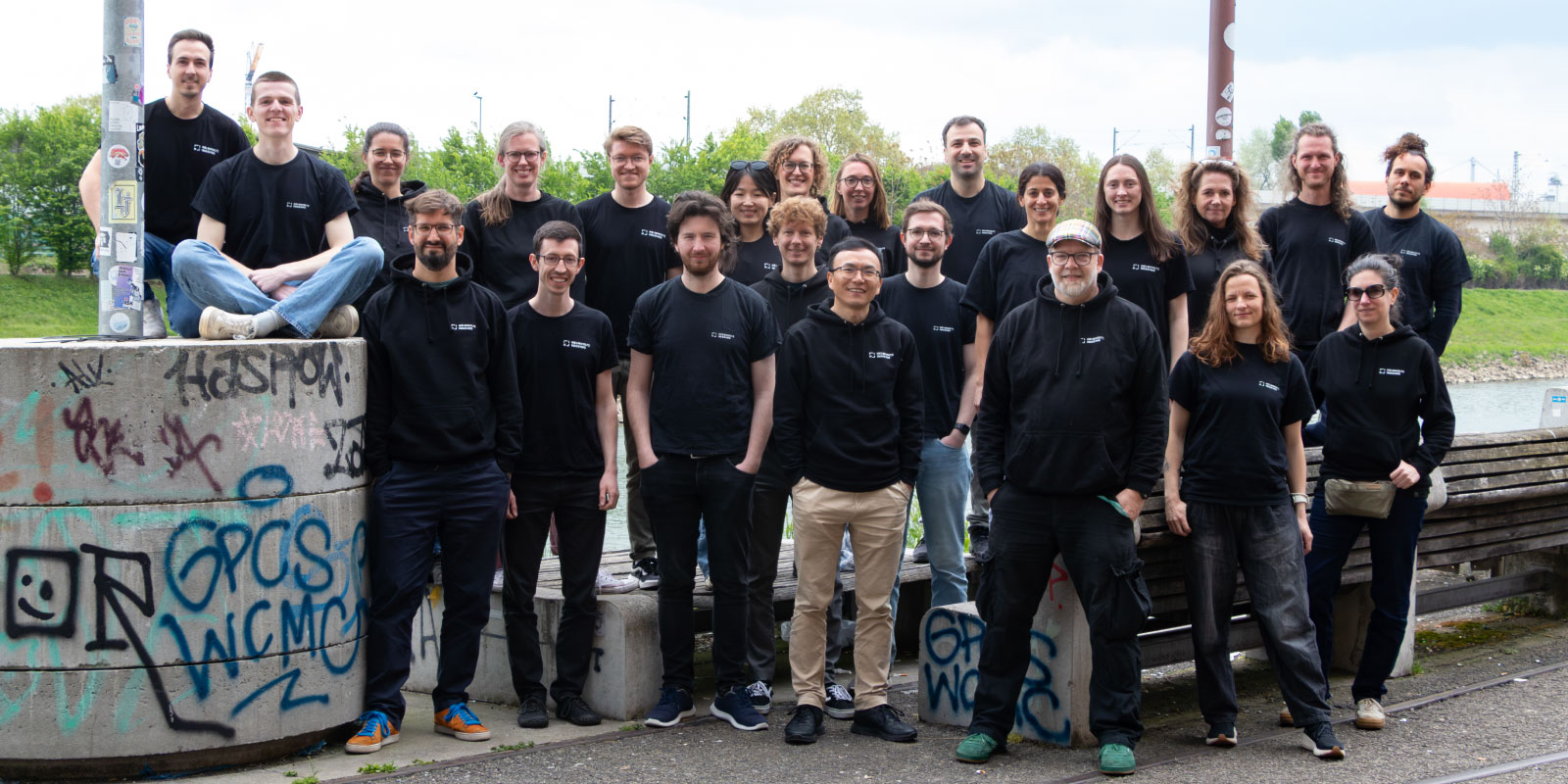
Meet Helmholtz Imaging
Say hello to Helmholtz Imaging team members at the following events:
- Meet Vanessa Emanuela Guarino, Claudia Winklmayr, Christoph Karg from the Research Unit at MDC at CVPR 2026 in Denver, Colorado on June 3-7, 2026, presenting their highlight paper Better than Average: Spatially-Aware Aggregation of Segmentation Uncertainty Improves Downstream Performance.
- Say hello to many of us at HAICON26 on June 8-11 in Munich at our workshops on June 8, Novel Helmholtz Imaging Tools for AI image processing along the pipeline at 11:15 AM & A Practical Tour of PEFT & Co. at 2:15 PM &, and / or at our booth on June 9-11.
- Say hi to Carlos Aumente-Maestro from the Engineering and Support Unit at DKF at IPCAI 2026on July 2-3 in Nagoya (Japan) where he’ll present the tool Claims Reloaded.
- Say hello to Alexander Denker from the Research Unit at DESY at ICML 2026 in Seoul from July 6-11, 2026.
- Meet us for our Helmholtz Imaging Week 2026 from November 9-12, 2026 in Leipzig. Stay tuned for more information.
News from our Partner Platform HMC
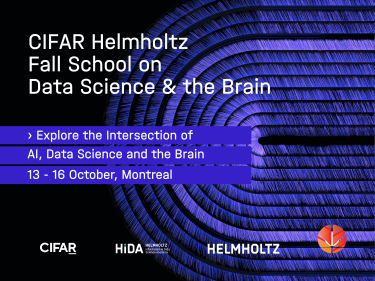
Join our CIFAR Helmholtz Fall School
Explore the intersection of AI, neuroscience and data science at the CIFAR Helmholtz Fall School in Montreal. Early-career researchers can expect expert talks, collaborative sessions and mentoring opportunities!
Image: HIDA
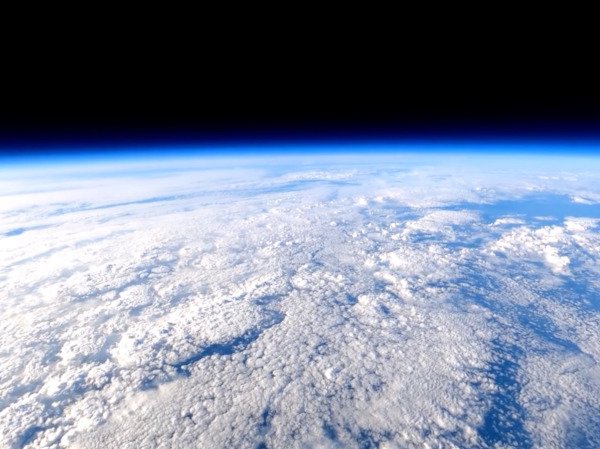
New Services in the Helmholtz Cloud
From online teaching to project coordination and secure collaboration: new services on helmholtz.cloud support everyday research workflows. Explore open edX, OpenProject, eduMEET and SciCat, some of our latest additions. If something is still missing, help shape future offerings by voting for new service ideas.
Image: Screenshot of a video from GLORIA@HEMERA large stratospheric balloon campaign
HMC Project Call 2026 Now Open
The HMC Project Call 2026 is open! Apply for funding for interdisciplinary projects in metadata, FAIR data and research data infrastructure. Want to learn more or find collaborators? Join our upcoming information event to explore the call, ask questions and connect with potential project partners.
Apply & join the info event
Image: HMC

Funding Opportunities
Next Frontier AI Challenge: SPRIND – the German Federal Agency for Breakthrough Innovation – is running a challenge to build three European frontier AI labs. Deadline: May 31, 2026.
Emmy Noether Program: DFG Invites Highly Qualified Researchers in Early Career Phases in the Field of AI Methods to Submit Proposals. Deadline: June 10, 2026.
NeurIPS 2026 Call for Ethics Reviewers: Ethics in ML research is an important part of ensuring the integrity and impact of scientific work. NeurIPS 2026 is looking for Ethics Reviewers to support this process.
Orena SAVE FOCUS Challenge: Help push long-range video understanding to make surgery safer. Choose between three tracks: Frame Track, Segment Track, Procedure Track. Opening submissions: July 15, 2026.
ORena SAVE FOCUS is a joint initiative of the Wellcome Leap SAVE program and the ORena initiative of the DKFZ Intelligent Medical Systems (IMSY) lab, co-sponsored by Helmholtz Imaging.
Volkswagen Foundation: Join the live webinar on October 7, 2026 at 2 PM to learn more about the foundation’s funding portfolio.
External events
- Long Night of Sciences: June 6, Berlin-Buch, explore the Helmholtz Imaging Best Scientific Image Contest 2025 exhibit
- Image Analysis course with Fiji/ImageJ: June 15-19, online, five 2.5-hour live sessions, costs: £125 – £275
- E-Heraeus Summer School “Physics of imaging: Holography, Ptychography, Tomography et al. & AI”: July 5-10, 2026 in Bad Honnef, registration is open
- Agentic AI for Life Sciences: July 6-7, 2026, online workshop
- Introduction to ImageJ/Fiji & Writing macros in ImageJImageJ: July 27+28, 2026 in Leicester, apply by July 19
- National Imaging Facility Annual Scientific Meeting 2026: July 29-31 in Newcastle (Australia)
- IJCAI-ECAI 2026, the 35th International Joint Conference on Artificial Intelligence: August 15-21, 2026, Bremen, calls for workshops, demonstrations & tutorials are open (deadlines vary)
- 16th XTOP Biennial Conference on High-Resolution X-Ray Diffraction and Imaging: September 21-25, 2026, Karlsruhe, abstract submission open until June 8. Early-career researchers can apply by June 1 for travel grants offered by the German Crystallographic Society (DGK).
- Bayesian Methods for Biomedical Data Science: November 30-December 4, 2026, online course
Do you know of any imaging-related events that could be of interest to our imaging community? We’d love to hear from you. Share the details with us at support@helmholtz-imaging.de.

New publications
Better than Average: Spatially-Aware Aggregation of Segmentation Uncertainty Improves Downstream Performance by Vanessa Emanuela Guarino et al. (accepted at CVPR 2026)
Cycle-Consistent Multi-Graph Matching for Self-Supervised Annotation of C. Elegans by Sebastian Stricker et al. (proceedings of the IEEE/CVF Winter Conference on Applications of Computer Vision (WACV) 2026)
Discover all publications by Helmholtz Imaging
Job openings
Helmholtz Association
AWI
Postdoc in “Cloud physics” (f/d/m/x)
FZ Jülich
Scientist / Postdoc – Smart Vision-Based Control of Microbial Arenas (new Helmholtz Imaging project Vi(MA)²C project)
PhD Thesis – In situ TEM of Coulomb phase excitation in artificial spin ice matter
Postdoc / Research Software Engineer – Real-Time Live-Cell Image Analytics and Experimental Control
GFZ
Research Scientist (f_m_x) – GNSS Reflectometry
Postdoctoral Researcher (f_m_x) – Adaptive Digital Twin Prototypes for EGS Systems
HEREON
Scientist in Marine Digital Innovation
External
German Center for Cardiovascular Research (DZHK) & University Medicine Greifswald (UMG)
W2 Professorship for Cardiovascular Imaging