Capturing the
world of science.
Unlock
the potential of imaging in the Helmholtz Association across all research domains and along the entire imaging pipeline.
Improve
leverage and accessibility of the innovative imaging modalities, applications and data treasures.
Enable
the delivery of generalizable imaging solutions.
Helmholtz Imaging Conference 2026
Call for contributions & registrations are open. Submit your abstract for a scientific talk and/or poster by September 30!
Join us for the Imaging Deep Dive Day & Helmholtz Imaging Conference from November 10–12, 2026 in Leipzig. Together, they bring the imaging community together for an extended program of inspiring talks, scientific exchange, collaboration, and new ideas.
Image: Thorsten Wiegand, UFZ
News, Events & Jobs
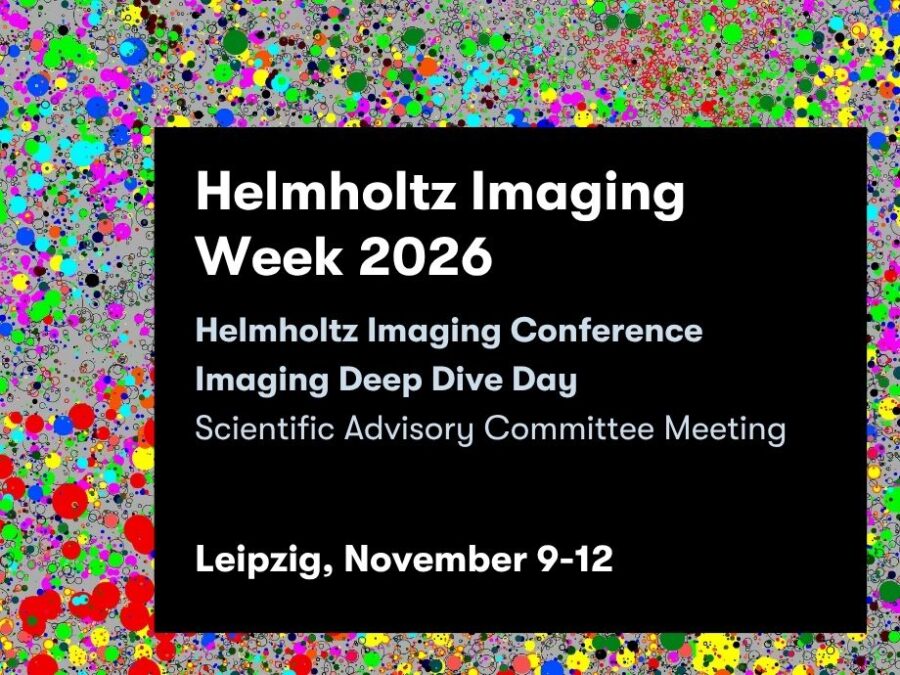
Helmholtz Imaging Week 2026
Mark your calendars: Helmholtz Imaging Week 2026 is coming to Leipzig from November 9–12, 2026, bringing together the imaging community for an extended program of scientific exchange, collaboration, and inspiration. Join us for the Imaging Deep Dive Day & annual Helmholtz Imaging Conference! Registration is open now. Call for contributions for conferences closes on October 1.
Double Recognition for Lena Maier-Hein: EMBS Award and Nature Biomedical Engineering Cover
Two reasons to celebrate: Helmholtz Imaging Center Coordinator Lena Maier-Hein has received the 2026 EMBS Technical Achievement Award, while research by her and colleagues on cross-species knowledge transfer in medical imaging is featured on the cover of the August issue of Nature Biomedical Engineering.
Our Open Office Hour is Back
Got an imaging-related question or challenge? Our Helmholtz Imaging Open Office Hour is back. Join us virtually every 2nd Tuesday at 1 PM! No appointment needed. Just drop by!Portfolio
Support Hub
The Support Hub is your gateway to the world of Helmholtz Imaging! Simply send an e-mail to support@helmholtz-imaging.de and we will help you out. Any request is welcome, whether it is a question about administrative or imaging-related matters, consulting requests, project support, Helmholtz Imaging Collaborations or access to our portfolio.
CONNECT
Helmholtz Imaging CONNECT is the heart of the Helmholtz Imaging Network. Get to know the imaging experts from the Helmholtz Association, explore the amazing portfolio of cutting-edge instruments from satellites to synchrotrons, dive into the exciting world of imaging applications. Helmholtz Imaging CONNECT facilitates finding partners and collaborators for innovative projects, with just the right complementary expertise necessary to conduct research for grand challenges.
We want you! If you are affiliated to one of the Helmholtz Centers, we invite you to add your profile, your modalities and your applications to the website. Be Helmholtz Imaging!
Collaborations
Struggling with an imaging-related project? Apply for a Helmholtz Imaging Collaboration and tap into the expertise of Helmholtz Imaging! Collaborations enable you to team up with one of our units for an elongated period of time (up to 6 months or even longer) to work on a project together. Whether you require support in (AI-based) image analysis, image reconstruction, annotation, data management, software solutions, addressing inverse problems, developing novel imaging modalities, 3D visualization and more – we are your partner.
Solutions
Helmholtz Imaging provides an integrated ecosystem of software, scientific solutions, and cloud-based resources to support research along the whole imaging pipeline.
Whether you need access to advanced AI models, support for managing complex image datasets, or tailored solutions for specific research challenges, our resources are built to integrate into real-world scientific environments and foster collaboration across the Helmholtz Association and beyond.
Research
Projects
Helmholtz Imaging Projects are granted to cross-disciplinary research teams that identify innovative research topics at the intersection of imaging and information & data science, initiate cross-cutting research collaborations, and thus underpin the growth of the Helmholtz Imaging network. Discover our outstanding projects or apply for the annual call.
Publications
Helmholtz Imaging captures the world of science. Discover unique data sets, ready-to-use software tools, and top-level research papers.
The platform’s output originates from our research groups as well as from projects funded by us, theses supervised by us and collaborations initiated through us. Altogether, our publications showcase the whole diversity of Helmholtz Imaging.
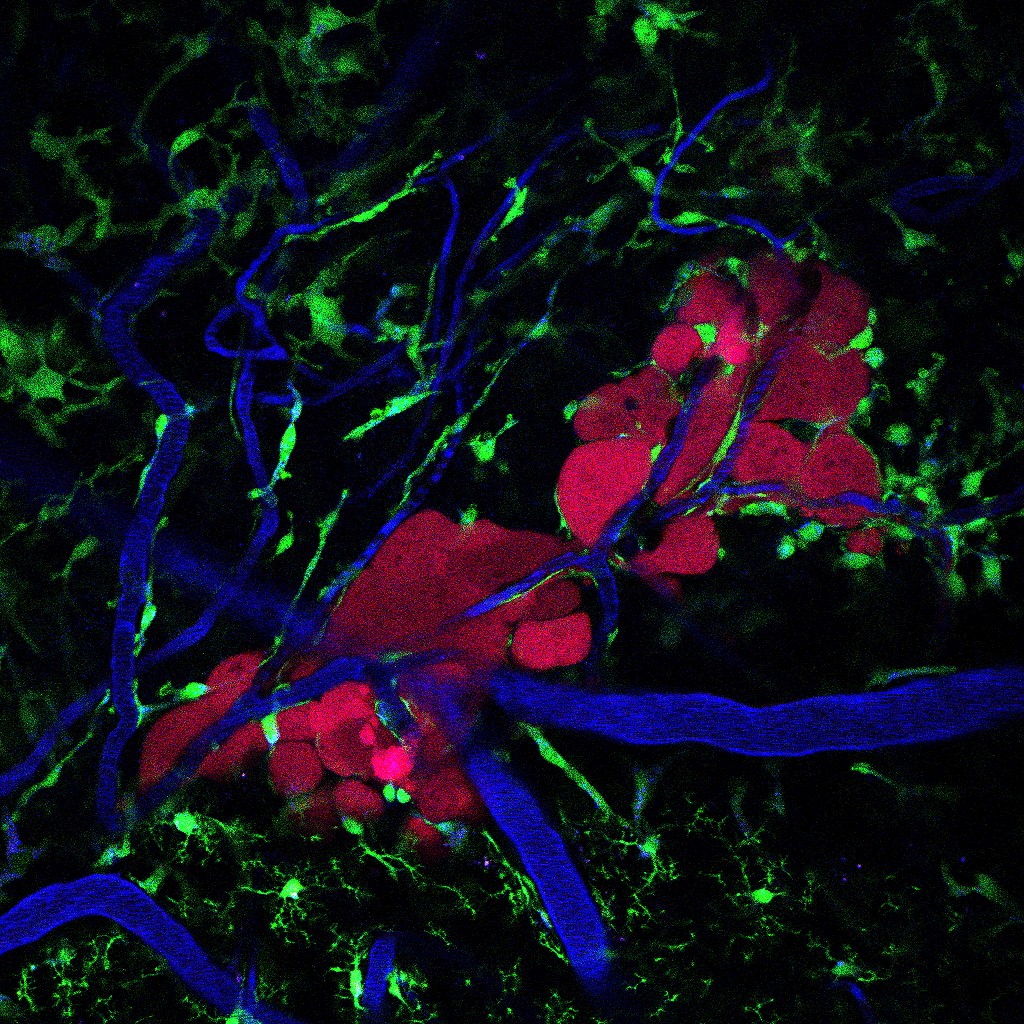
Highlight Projects
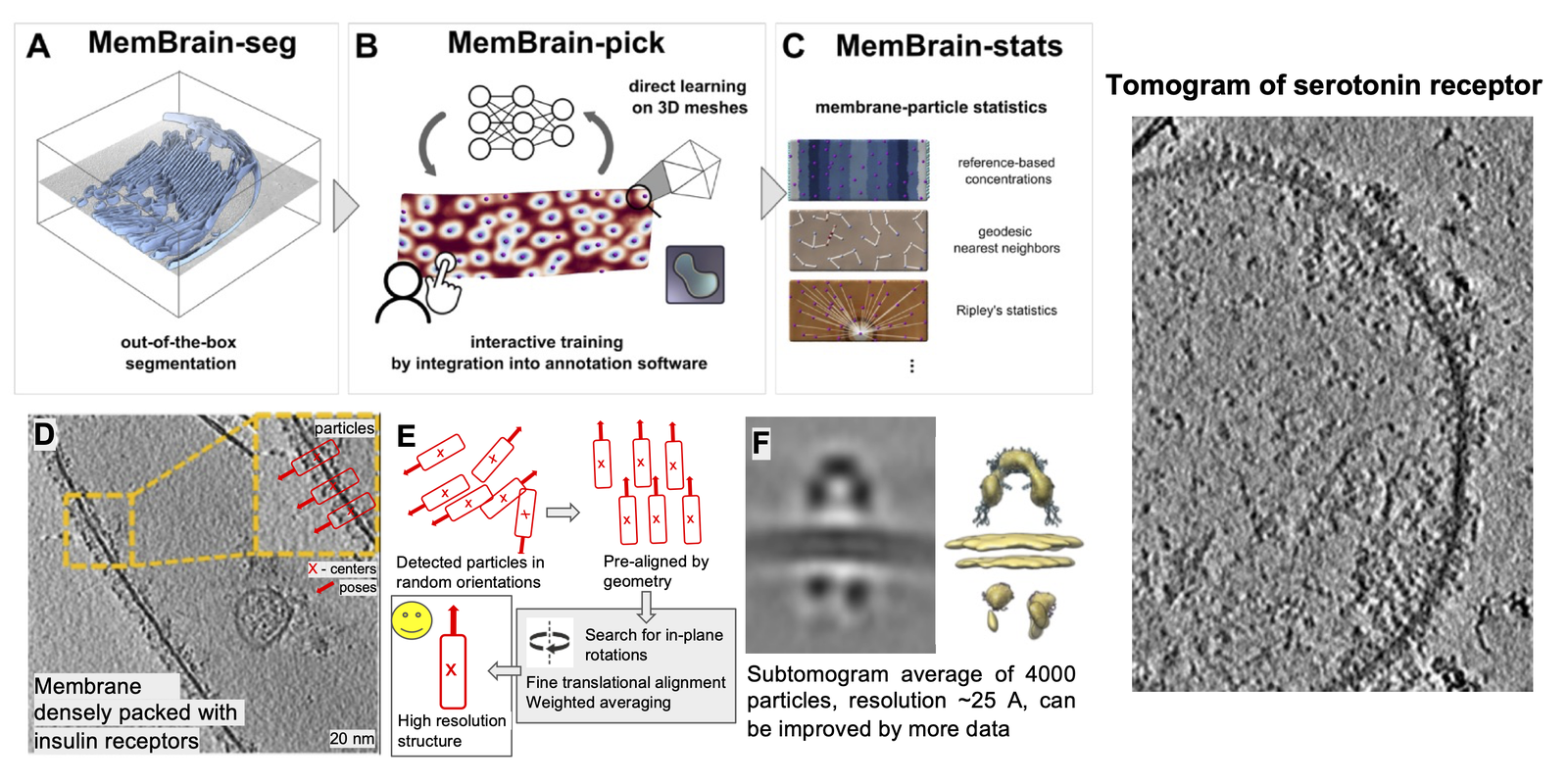
MemBrain-structure
AI-driven End-to-End Pipeline for Membrane Protein Structure Determination by Cryo-ET
Image: MemBrain-structure

MEDAL
Artificial intelligence holds enormous promise for healthcare. Yet, current AI systems are often evaluated on datasets that fail to reflect real clinical complexity. As a result, research is frequently driven by available data rather than by the most urgent medical needs. MEDAL addresses this gap with an ambitious vision: to establish a global benchmark for clinically relevant AI in medical imaging.Image: Envato Elements
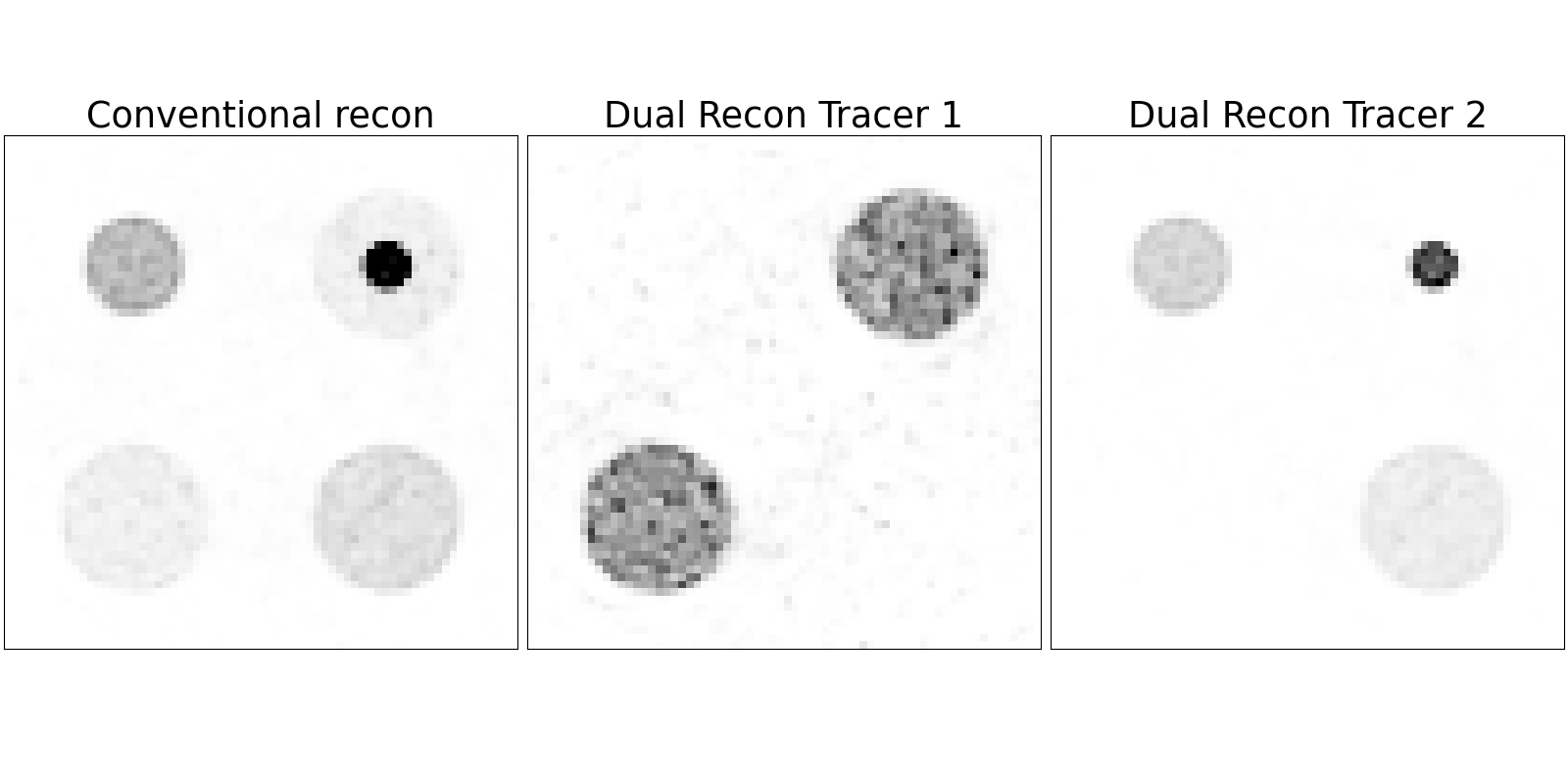
MULTI-TRACE
Simultaneous quantitative multi-molecular PET imaging of two radiopharmaceuticals: from algorithmic developments to applications in neuroscience and oncology
Image: HI Project MULTI-TRACE
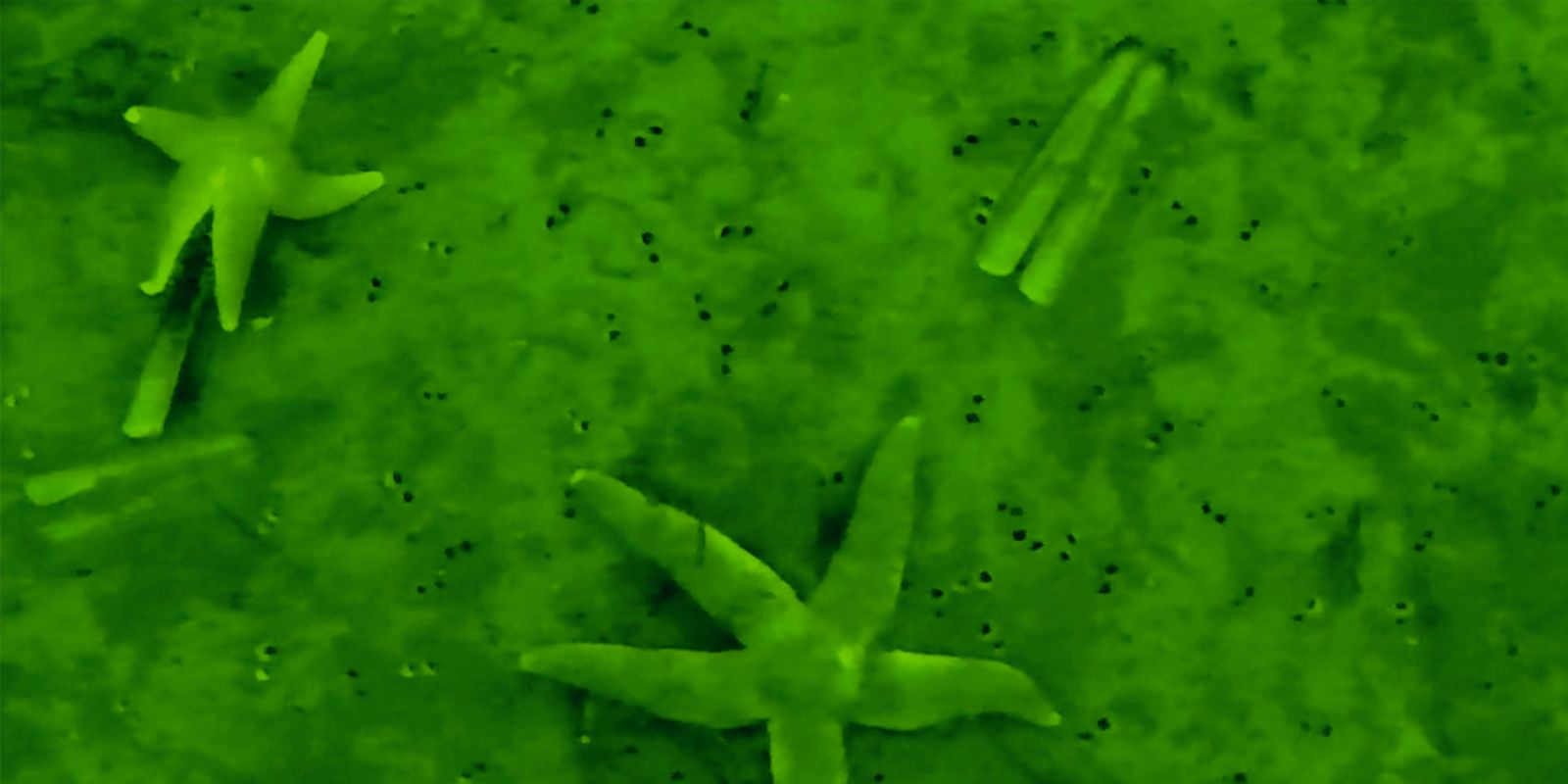
BenthicAI
Illuminating invisible life in the Wadden Sea
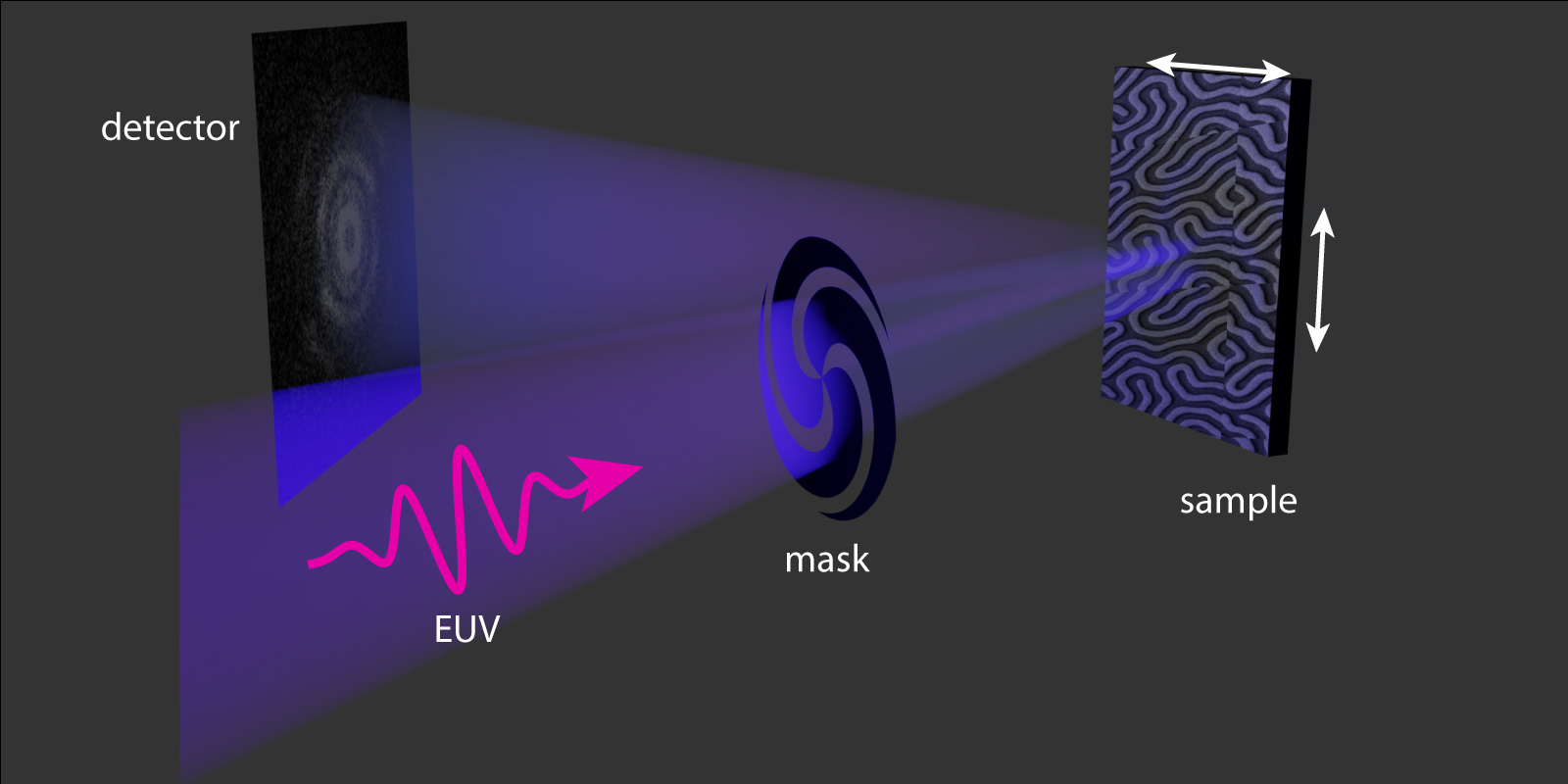
GROOVY
HiGh ContRast DichrOic ReflectiOn EUV MicroscopY
Image: HI Project GROOVY
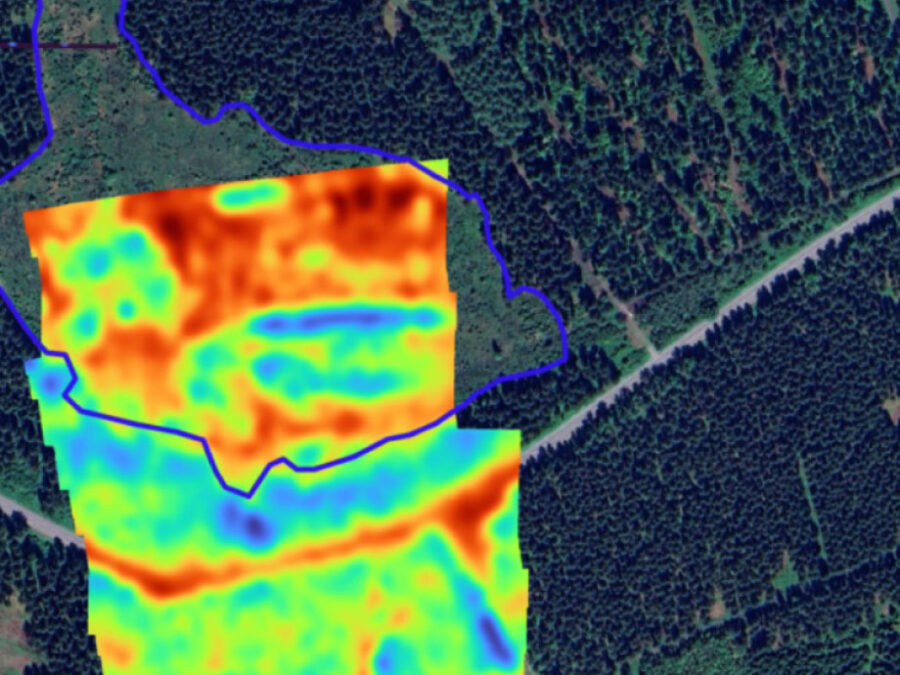
Moisture3D
Mapping of Integral Soil Tomography Using Radar Enhancement in 3D
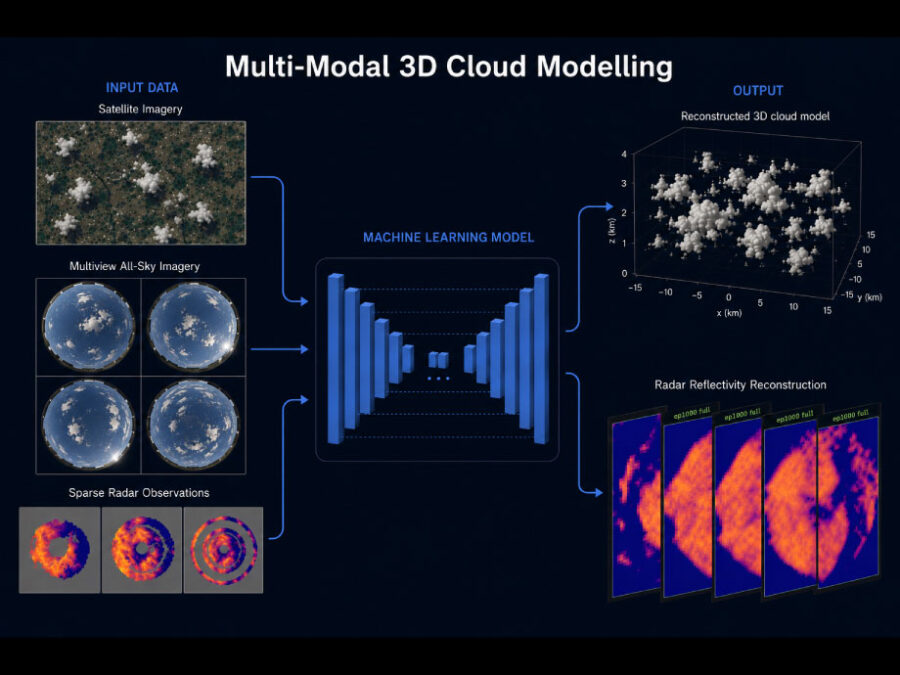
3D-Gain
Realistic 3D Atmospheric Reconstruction for Generative AI Nowcasting of Precipitation and Irradiance using Remote Sensing and In-Situ Data
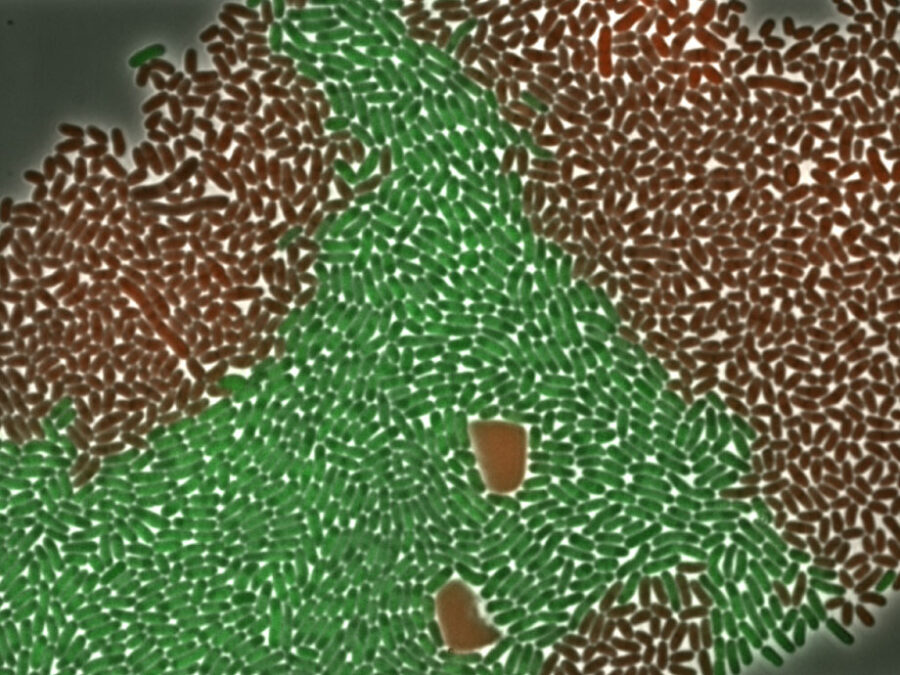
Vi(MA)2C
Vision-based Microscope Automation for Microbial Arena Composition
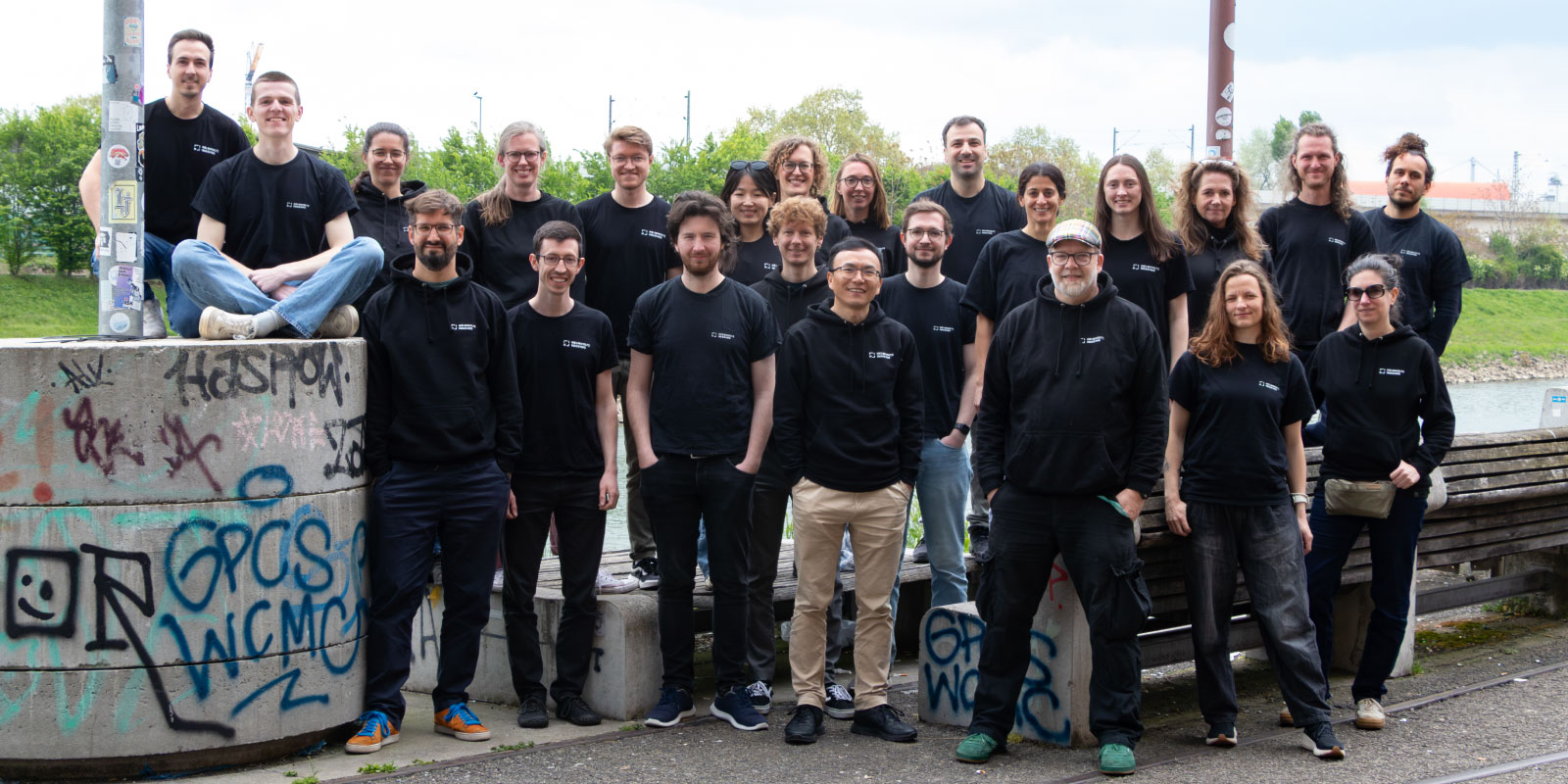
Helmholtz Imaging’s mission is to unlock the potential of imaging in the Helmholtz Association. Image data provide a substantial part of data being generated in scientific research. Helmholtz Imaging is the overarching platform to better leverage and make accessible to everyone the innovative modalities, methodological richness, and data treasures of the Helmholtz Association.
For us, imaging is the whole process from data acquisition and data preparation to data management and data analysis. For this reason, we feel that the anchoring at the three host centers DESY, DKFZ and MDC is optimal to serve the entire imaging pipeline and jointly generate the greatest possible added value for the entire association. We are dedicated to making Helmholtz Imaging an internationally visible platform for imaging research.
Helmholtz Imaging is one of five platforms (HIDA, HIFIS, Helmholtz.AI and HMC) initiated by the Helmholtz Information & Data Science Incubator.
People of Helmholtz Imaging

Prof. Dr. Martin Burger

Kris Dreher

Dr. Philipp Heuser

Prof. Dr. Dagmar Kainmüller

Dr. Sara Krause-Solberg

Dr. Annika Reinke
