Vi(MA)2C
Vision-based Microscope Automation for Microbial Arena Composition
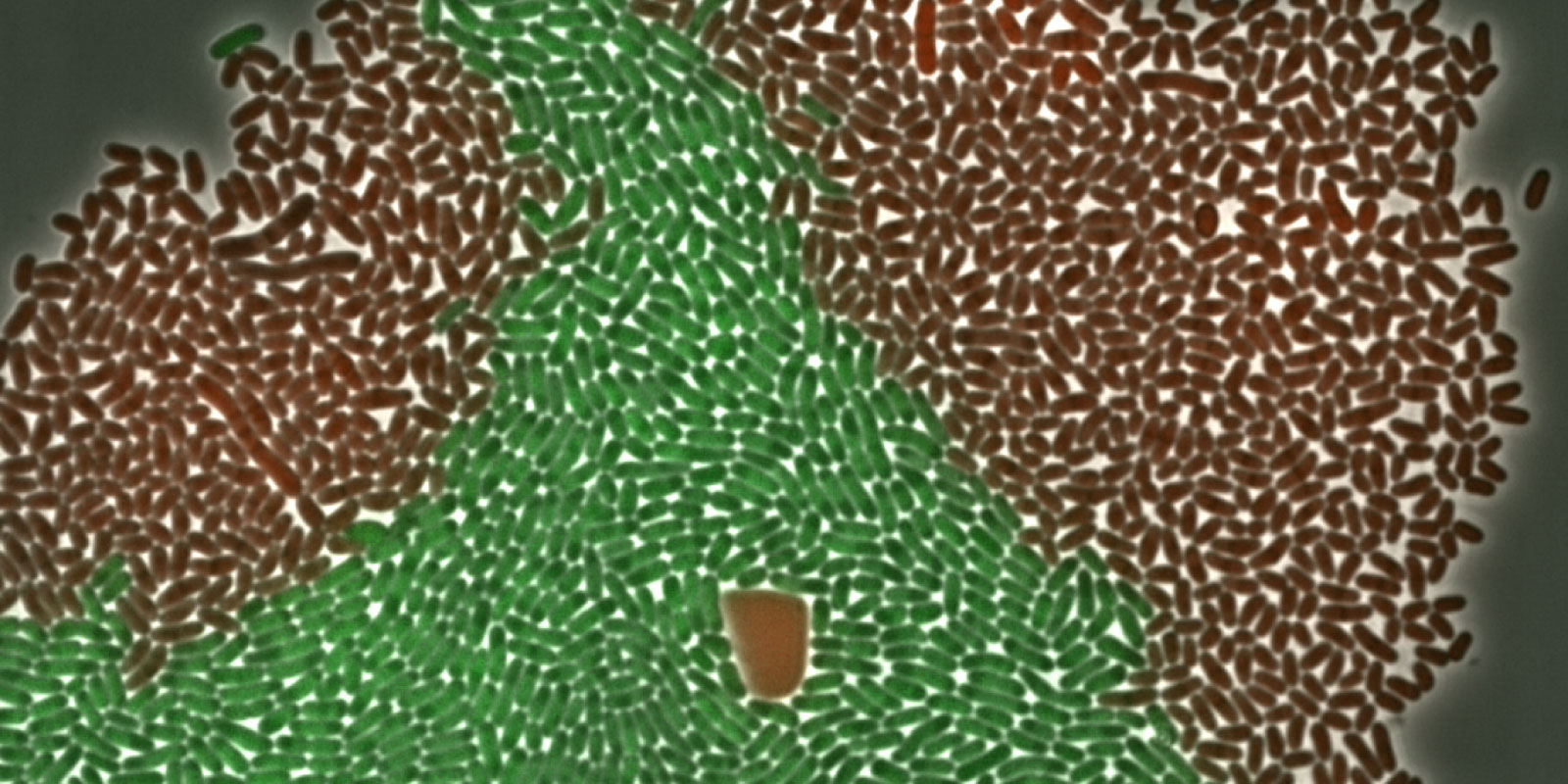
Vi(MA)²C pioneers vision-based automation for the controlled composition and dynamic reconfiguration of microbial arenas in microfluidic live-cell imaging.
The project combines high-speed computer vision for real-time segmentation and tracking with optical tweezers to create closed-loop systems that sense, analyze, and manipulate living microbial communities on the fly.
Living microbes and functional microgels acting as sensors, nutrient reservoirs, or carriers are autonomously positioned through precise pick-and-place operations, enabling intentional spatiotemporal scene design at single-cell resolution.
Vi(MA)²C advances towards active, high-speed (up to 20 fps) manipulation and autonomous experimentation. In doing so, it transforms researchers from passive observers into active designers of microbial environments.
This project builds on and further develops results from the Helmholtz Imaging projects EMSIG and SATOMI.
Other projects
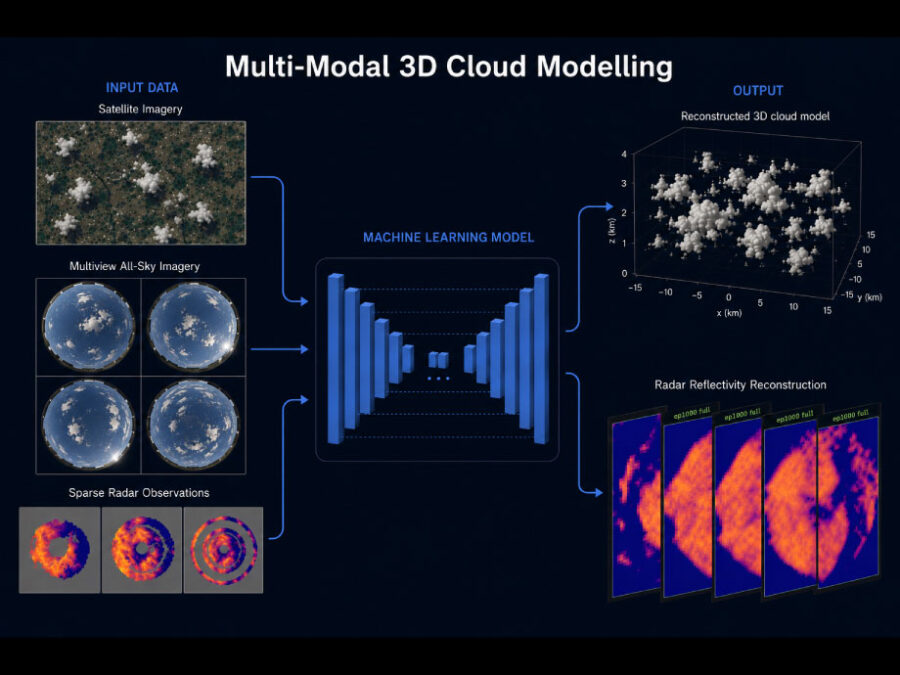
3D-Gain
Realistic 3D Atmospheric Reconstruction for Generative AI Nowcasting of Precipitation and Irradiance using Remote Sensing and In-Situ Data
AI-driven 3D atmospheric models combine satellite, radar and ground data to jointly nowcast precipitation and solar irradiance, improving flood forecasting and renewable energy planning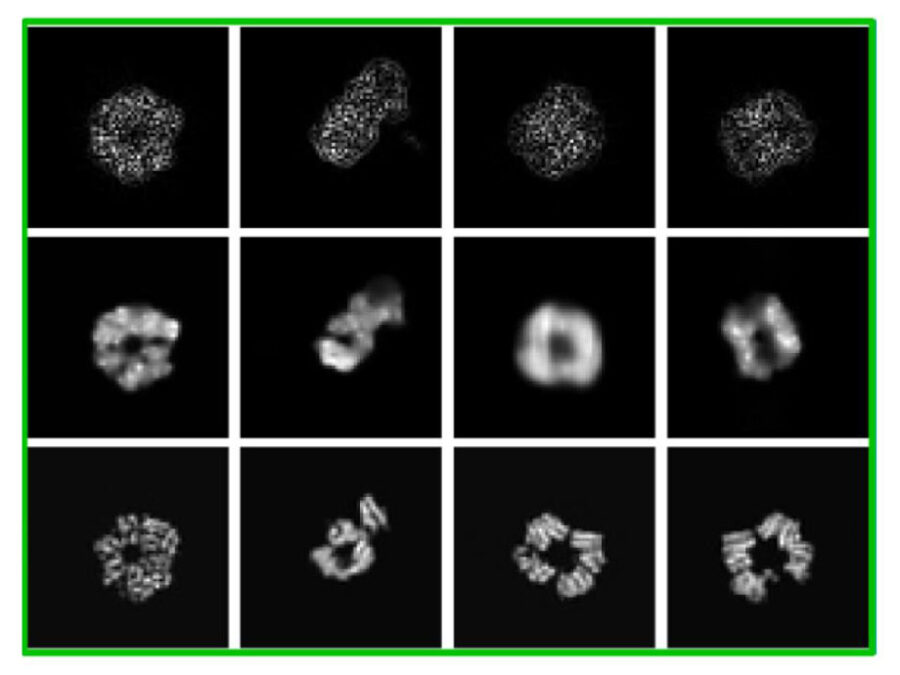
cryoFocal
3D Reconstruction from defocused cryo-EM images
This project explores how defocused images recorded with an electron microscope can be used to reconstruct the 3D structure of molecules inside cells. This method aims to enable faster and more cost-effective structural analysis of molecules to accelerate understanding of their functions and to design drugs against them.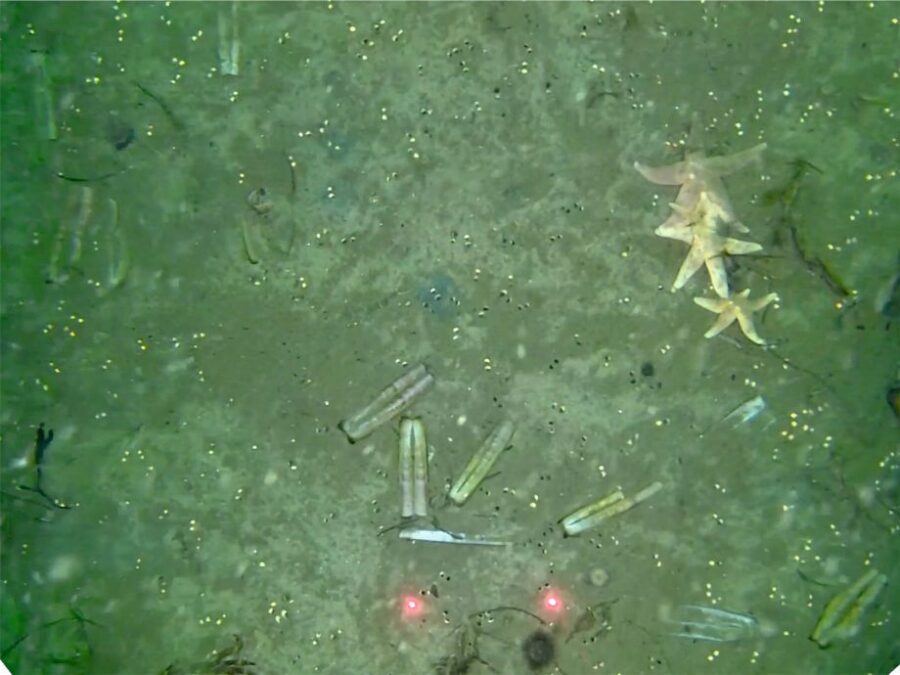
BenthicAI
Illuminating invisible life in the Wadden Sea
Underwater cameras, sonar and AI detect burrowing animals from seafloor traces, enabling non-invasive mapping of marine species and habitats to support ocean conservation