BenthicAI
Illuminating invisible life in the Wadden Sea
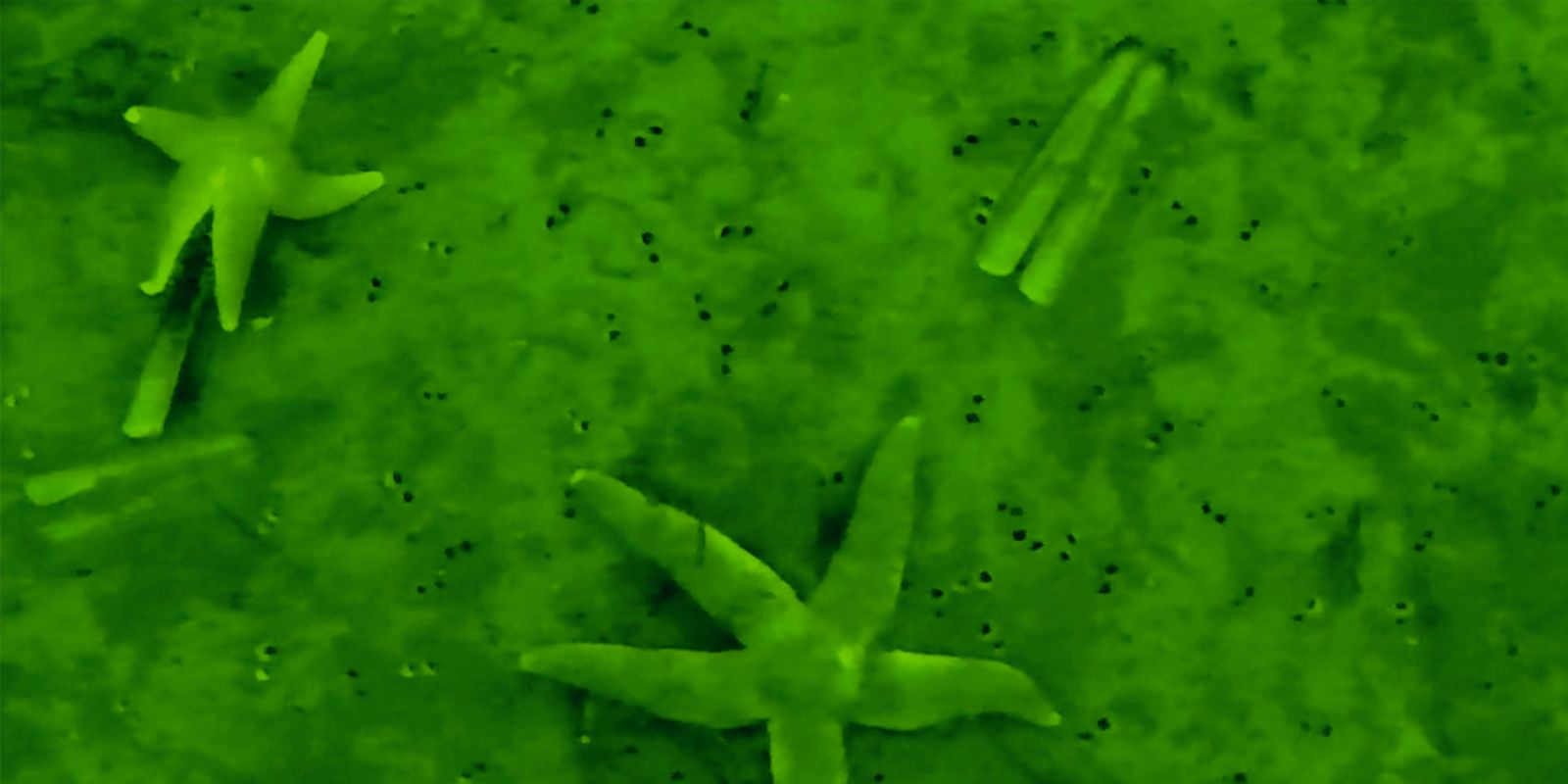
The ocean floor hosts a rich but largely hidden ecosystem shaped by burrowing organisms such as worms, clams and other infauna. BenthicAI aims to make this invisible life visible by combining underwater camera systems, acoustic sonar imaging and artificial intelligence. Rather than disturbing sediments through sampling, the project non-invasively identifies species based on the characteristic surface traces they create on the seafloor, such as holes, mounds and burrows. Image data from controlled environments, including aquariums and tidal flats, are combined with recordings from deeper and hard-to-access marine areas to train AI models that recognize species-specific patterns. The resulting high-resolution species and habitat maps provide valuable information for nature conservation, fisheries management and marine spatial planning.

Other projects
AIOrganoid
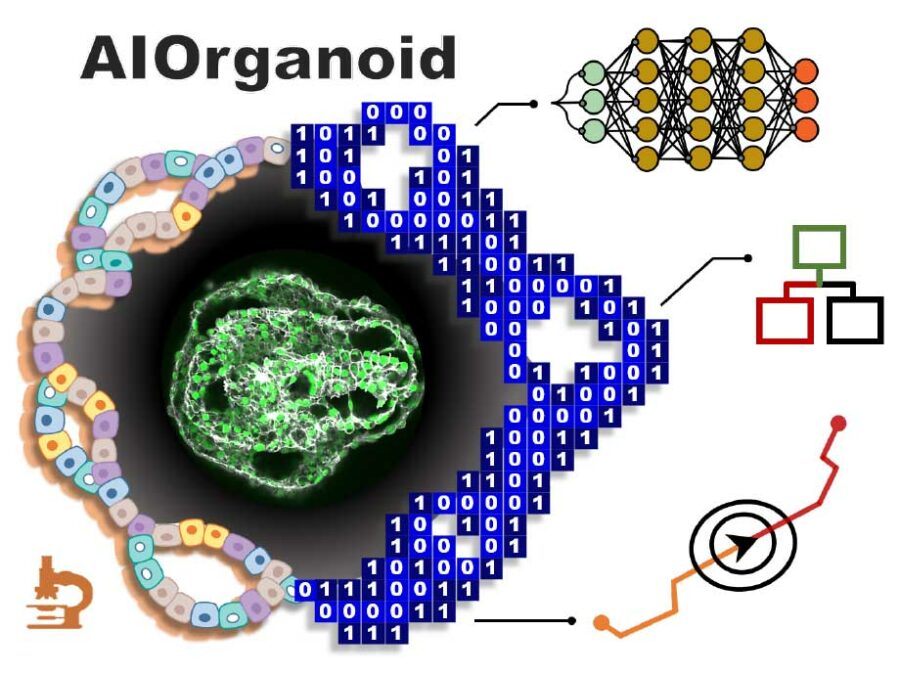
Artificial Intelligence Assisted-Imaging for Creating High-yield, High-fidelity Human Lung Organoid
AIOrganoid will apply cutting-edge imaging techniques and develop novel AI-based solutions to facilitate human lung organoid formation with high yield and fidelity, bridging the gap between cell biology and computational imaging.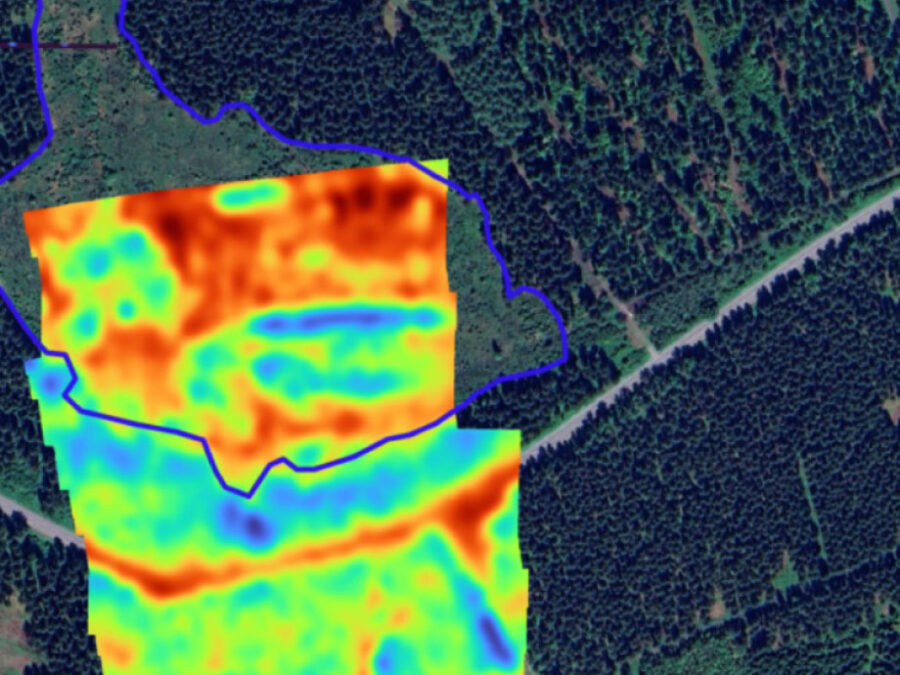
Moisture3D
Mapping of Integral Soil Tomography Using Radar Enhancement in 3D
Drone-based radar imaging and AI reconstruct 3D soil moisture underground, enabling improved monitoring of water resources and environmental processes.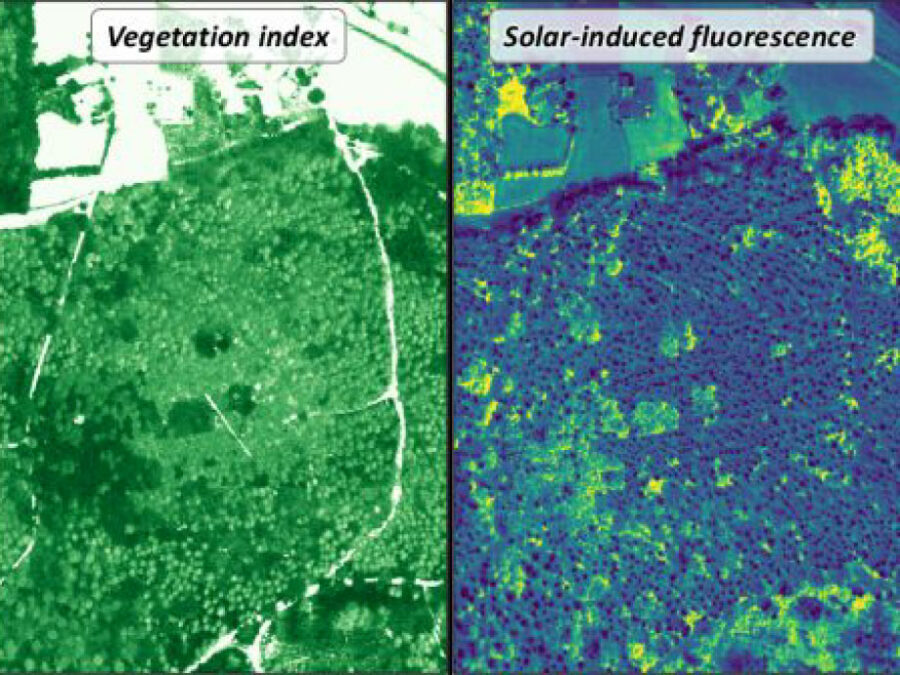
3DforestSIF
Understanding the solar-induced fluorescence (SIF) signal of natural, complex tree canopies
3DforestSIF seeks to correct airborne solar-induced fluorescence (SIF) data from forests for canopy structural and illumination effects, providing valuable insights for the early detection of forest stress.