Published on 14.09.2026
Double Recognition for Lena Maier-Hein: EMBS Award and Nature Biomedical Engineering Cover
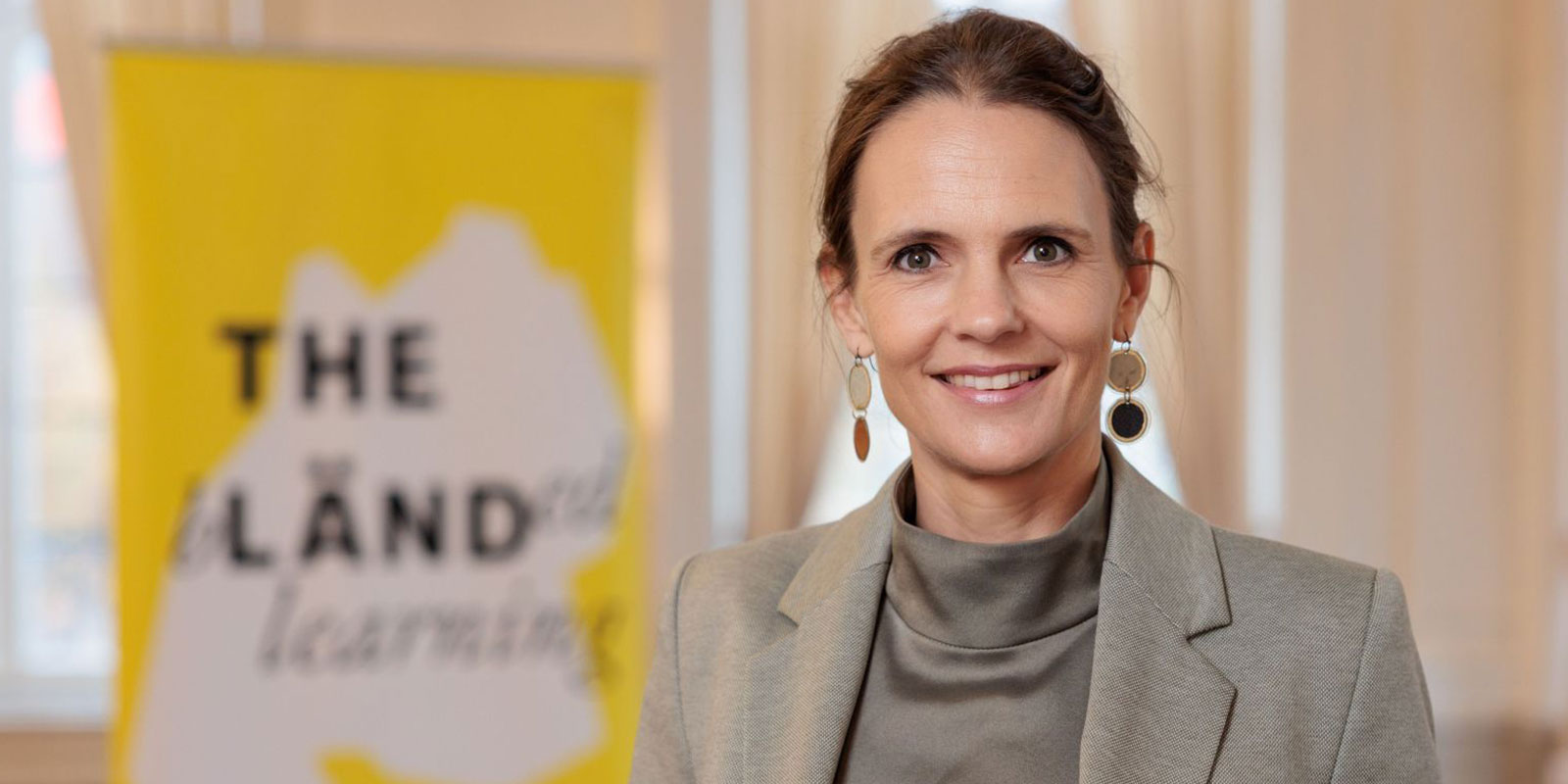
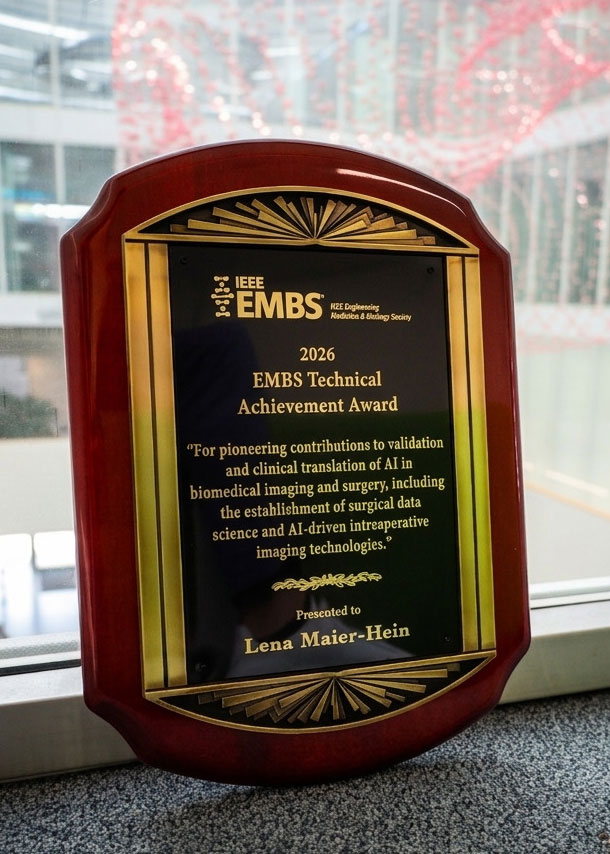
Helmholtz Imaging Center Coordinator Lena Maier-Hein has been recognized with the 2026 EMBS Technical Achievement Award by the IEEE Engineering Medicine and Biology Society (EMBS).
The award honors outstanding achievements and innovations in biomedical engineering and was presented as part of the EMBS Society Awards during the IEEE Engineering in Medicine and Biology Conference (EMBC) 2026 in Toronto.
Lena received the award “for pioneering contributions to validation and clinical translation of AI in biomedical imaging and surgery, including the establishment of surgical data science and AI-driven intraoperative imaging technologies.”
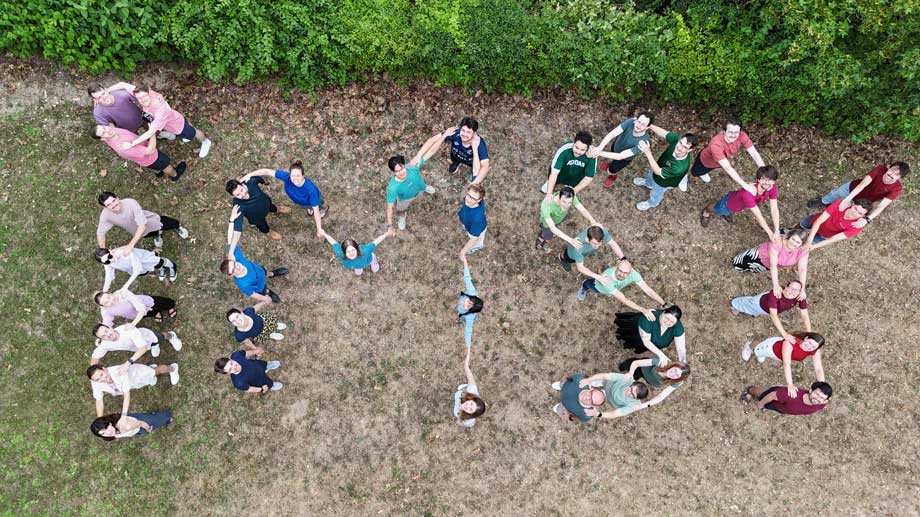
Reacting to the recognition, Lena emphasized the collaborative effort behind this work. She highlighted the contributions of the ERC NeuralSpicing and Helmholtz Imaging teams, as well as collaborators at the National Center for Tumor Diseases Heidelberg, Heidelberg University and the MICCAI Special Interest Group on Biomedical Image Analysis Challenges, and her deputies Alexander Seitel and Annika Reinke in the Intelligent Medical Systems (IMSY) department of DKFZ.
At the same time, another recent highlight brings her team’s research into focus: the August issue of Nature Biomedical Engineering, dedicated to AI in medicine, features the research article “Xeno-learning: knowledge transfer across species in deep learning-based spectral image analysis” on its cover.
In the study, Lena Maier-Hein and colleagues introduce xeno-learning, an approach designed to transfer knowledge from preclinical animal data to human applications. Using hyperspectral imaging data from humans, pigs and rats, the researchers show that although tissue spectra differ between species, changes caused by pathologies or surgical interventions can be comparable. By learning these relative changes in one species and transferring them to another, the approach could make large collections of preclinical data more useful for developing AI methods for clinical applications.
The work addresses a central challenge in medical AI: while large and systematically collected preclinical datasets are available, comparable clinical datasets can be difficult or ethically impossible to obtain. Xeno-learning offers a way to bridge this gap and advance the secondary use of preclinical imaging data for human medicine.
Congratulations to Lena and all colleagues involved on these two recognitions!